

Hydro excavation equipment is a critical investment for municipalities, utilities, and contractors across the Western U.S. These machines play a central role in safe digging, utility locating, daylighting, and non-destructive excavation—often in high-risk, high-demand environments. However, without a disciplined maintenance strategy, even the most advanced hydro excavation equipment can experience costly downtime, reduced performance, and shortened service life.
This article provides a practical hydro excavation equipment maintenance checklist designed to help fleet managers, public works leaders, and contractors maximize uptime, protect ROI, and extend equipment longevity. Drawing on decades of regional experience, Haaker delivers proven insights tailored to real-world operating conditions in California, Nevada, and Arizona.

Understanding Hydro Excavation Equipment and Why Maintenance Matters
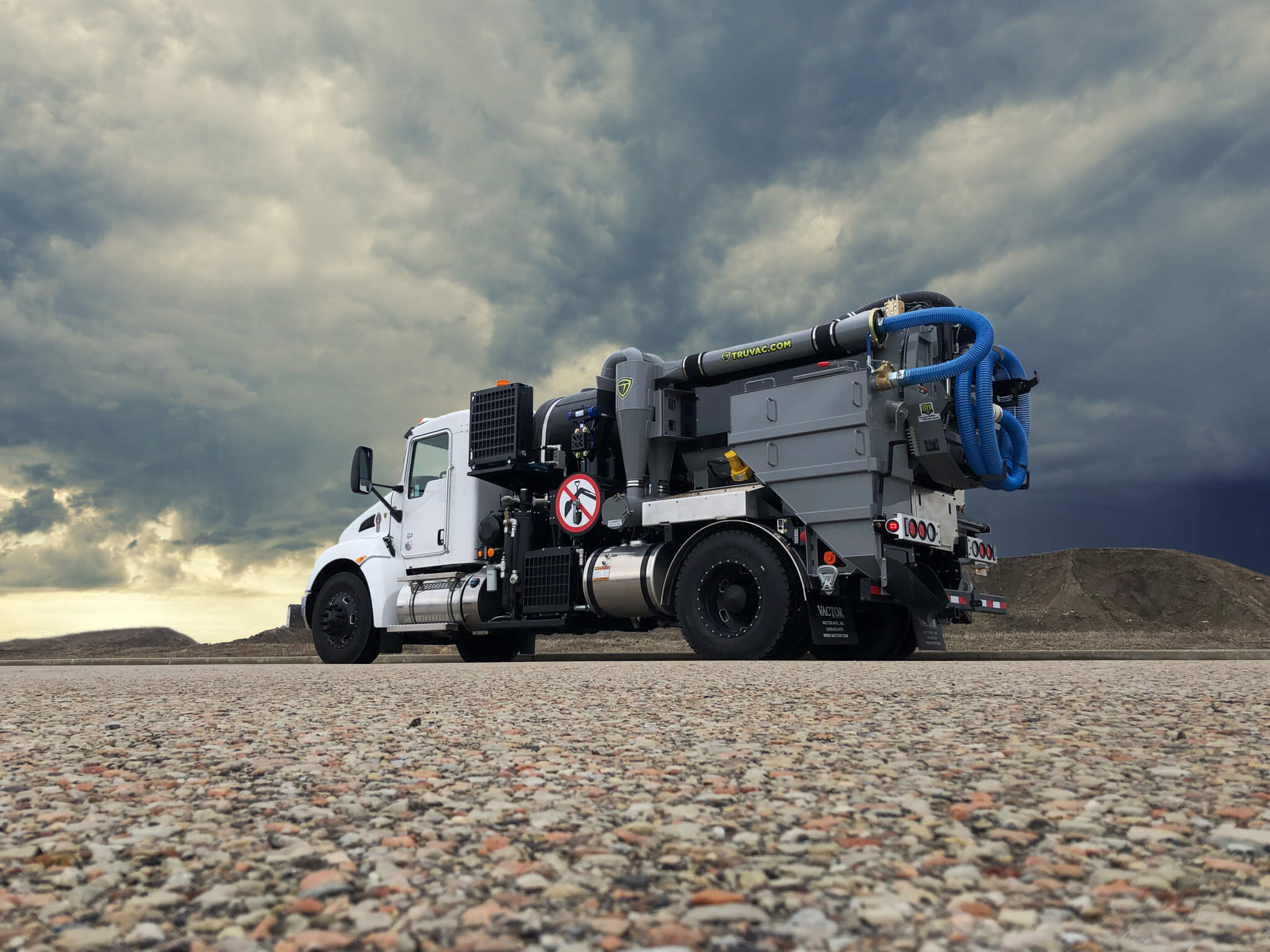
Hydro excavation systems use high-pressure water and powerful vacuum systems to safely remove soil while minimizing damage to underground utilities. Common components include:
-
High-pressure water pumps
-
Vacuum blowers or fans
-
Debris tanks
-
Heating systems (for cold-weather digging)
-
Hoses, nozzles, and filtration systems
These systems operate under intense mechanical and environmental stress. Poor maintenance can lead to reduced suction, water pressure loss, pump failures, debris tank corrosion, and unplanned service interruptions.
Key Benefits of a Proactive Maintenance Program
-
Increased uptime during peak project seasons
-
Lower total cost of ownership (TCO)
-
Improved safety and compliance
-
Extended equipment lifespan
-
Predictable maintenance budgets
For organizations managing multiple assets or operating year-round, preventative maintenance is not optional—it’s essential.
Hydro Excavation Equipment Maintenance Checklist
Daily / Pre-Operation Checks
These quick inspections help catch small issues before they escalate:
-
Inspect water and vacuum hoses for leaks, cracks, or wear
-
Verify proper water pressure and flow
-
Check vacuum performance and listen for abnormal noises
-
Ensure debris tank seals and latches are secure
-
Confirm fluid levels (engine oil, hydraulic fluid, coolant)
-
Inspect nozzles and spray wands for blockages
Weekly Maintenance Tasks
-
Clean or replace air filters
-
Inspect vacuum relief valves and safety systems
-
Lubricate fittings per manufacturer recommendations
-
Drain moisture from air systems if applicable
-
Check heating system operation (important in colder regions or winter use)
Monthly / Scheduled Maintenance
-
Inspect and flush water pump systems
-
Check hydraulic lines and fittings
-
Inspect debris tank interior for corrosion or buildup
-
Test pressure relief valves
-
Inspect blower belts and bearings
-
Review maintenance logs for recurring issues
Following manufacturer service intervals—and documenting all work—is critical for warranty protection and resale value.
Applications & Use Cases Across Industries
Municipal & Public Works
Cities and counties rely on hydro excavation for potholing, sewer maintenance, and infrastructure upgrades. Reliable equipment minimizes service disruptions and supports safe operations in congested urban environments.
Industrial & Energy Facilities
Hydro excavation is widely used in refineries, plants, and renewable energy projects where precision and safety are non-negotiable. Preventative maintenance ensures consistent performance in high-risk zones.
Contractors & Utility Providers
Utility contractors depend on uptime to meet tight schedules. Proper maintenance reduces costly job delays and protects crews working near critical underground assets.
Regional Considerations: Western U.S.
Operating conditions in California, Nevada, and Arizona—including heat, dust, and regulatory compliance—make routine inspection and service even more important. Equipment must be maintained with regional conditions in mind.
Why Haaker Is the Trusted Hydro Excavation Partner
Haaker is more than an equipment dealer—we’re a long-term partner for hydro excavation professionals across the Western U.S.
Why customers choose Haaker:
-
Deep regional expertise in California, Nevada, and Arizona
-
Comprehensive sales, parts, and service support
-
Factory-trained technicians and responsive service teams
-
Access to genuine replacement parts
-
Long-term lifecycle support—from purchase to resale
Whether you’re expanding your fleet or optimizing existing equipment, Haaker delivers the knowledge and support needed to protect your investment.
Contact Haaker to speak with a hydro excavation specialist:
Internal Resources for Ongoing Support
-
Hydro Excavation Equipment Solutions
-
Parts & Components Support
-
Equipment Service & Maintenance
-
Contact Haaker for Fleet Consultations
Frequently Asked Questions (FAQ)
How often should hydro excavation equipment be serviced?
Daily inspections are recommended, with scheduled weekly and monthly maintenance following manufacturer guidelines and usage intensity.
What are the most common causes of hydro excavation downtime?
Neglected hoses, clogged filters, pump wear, and debris tank issues are among the most common causes.
Does preventative maintenance really reduce operating costs?
Yes. Preventative maintenance reduces emergency repairs, extends component life, and lowers overall cost of ownership.
Is hydro excavation equipment maintenance different in hot climates?
Absolutely. Heat, dust, and extended run times in regions like Arizona and Nevada require more frequent inspections and fluid checks.
Can Haaker help create a fleet maintenance plan?
Yes. Haaker works with customers to develop customized maintenance strategies based on usage, environment, and fleet size.