

An emergency response vacuum truck can turn a bad day into a manageable one. When a flood fills a lot, a spill spreads across a yard, or a storm leaves mud and debris in the road, speed and the right tool matter. Shovels and pumps only go so far. A vacuum truck pulls up water, mud, sludge and loose debris in one pass and carries it away. This guide explains how crews use vacuum trucks for flood, spill and debris cleanup, what to plan before an emergency happens, and how to decide between owning a truck and renting one when you need it.
An emergency response vacuum truck uses strong suction to pull water, mud, sludge and debris into a tank for removal. It helps with floods, spills and storm cleanup where hand work is too slow. Check what material is involved first, since not every spill is safe to vacuum. Ask your branch about the right setup.
What Makes a Vacuum Truck Useful in an Emergency
It moves material fast
In an emergency, time is the cost. Standing water damages floors, mud hardens, and spills spread. A vacuum truck can clear a lot of material in a short time compared with buckets, pumps and shovels.
It reaches awkward places
Floods and debris pile up in storm drains, sumps, pits, culverts and low corners. A long hose lets the operator reach spots a loader cannot enter. That keeps crews out of dangerous spaces.
It carries the material away
Many cleanup tools only move material from one spot to another. A vacuum truck collects it in a tank so it can be hauled to the right place. That cuts down on re-cleaning and keeps the site tidier while you work.
It works in many setups
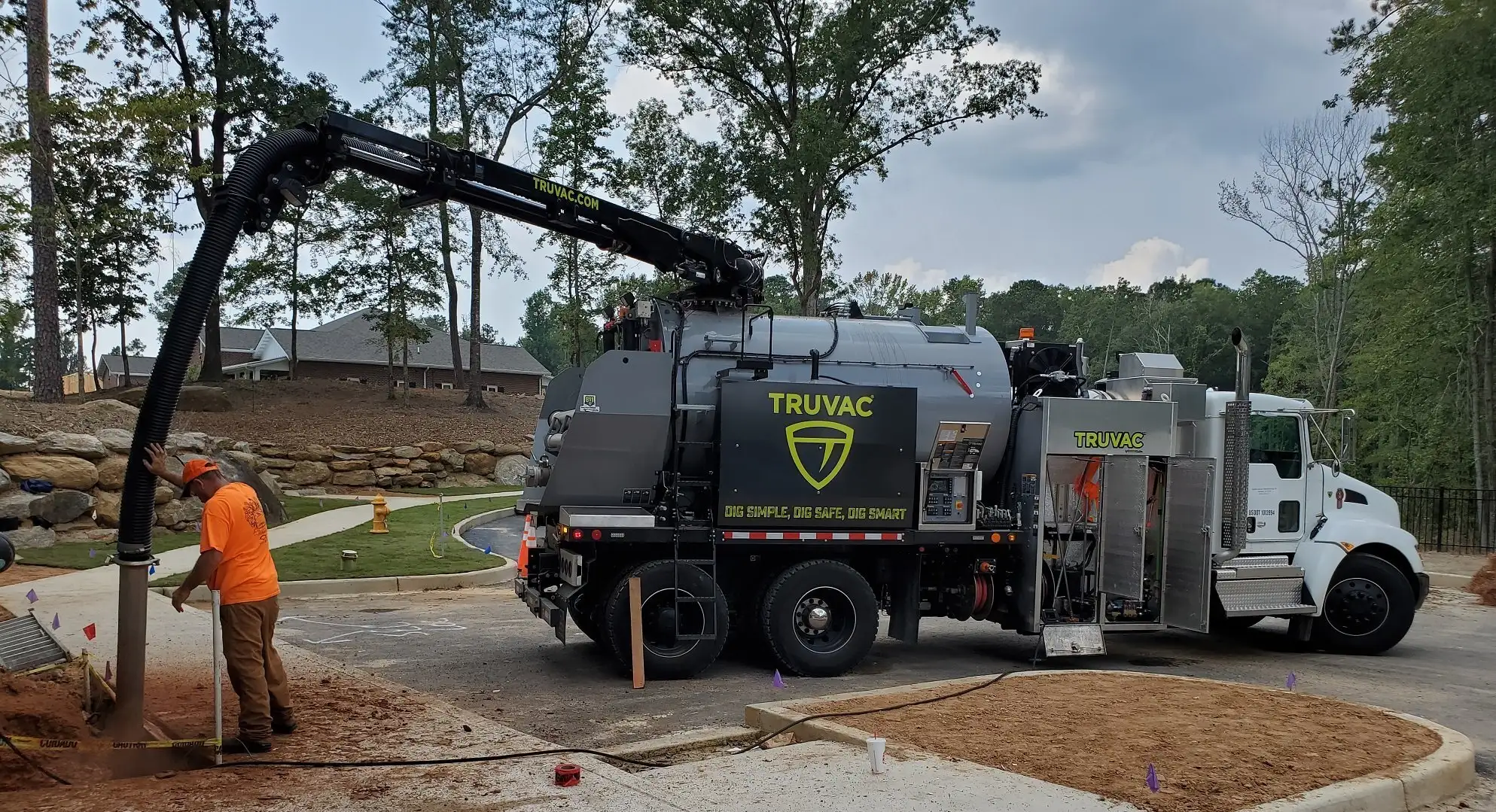
Some trucks are set up mainly for suction. Others are hydro excavation trucks that also have pressurized water. Water helps loosen hard mud or packed debris so it can be vacuumed. Our overview of hydro vacuum excavation trucks explains the difference.
Common Emergency Jobs for a Vacuum Truck
Flood and standing water cleanup
After heavy rain, water collects in yards, basements, lots and equipment pits. A vacuum truck can pull up water along with the silt and trash that came with it. This is often faster than a small pump, which can clog on debris.
Mud and sediment removal
Storm runoff leaves thick mud on roads, pads and in drainage channels. Dried mud can be hard to move. Hydro excavation trucks can use water to loosen it, then vacuum it up.
Storm drain and culvert clearing
Clogged drains make flooding worse. A vacuum truck can clear debris, leaves, gravel and silt from drains and culverts. Doing this early helps keep water moving while a storm is still active.
Debris pickup after storms and slides
Loose debris like gravel, sand, leaves and broken material can be vacuumed from roads, lots and work areas. It does not replace heavy equipment for large items. It does clear the fine material that heavy equipment leaves behind.
Spill response
Vacuum trucks can help recover free liquid and absorbed material after some spills. This is where care matters most. Some liquids are hazardous, flammable or unsafe to pull into a standard tank. Always identify the material first and follow your site’s emergency plan and your safety team’s direction.
Industrial and utility incidents
Plants, yards and utility sites also see incidents like overflowing sumps, burst lines and slurry releases. A vacuum truck can help contain and remove the material. Our guide on slurry and spoil disposal covers what to think about once it is in the tank.
Before You Vacuum: Safety and Planning
Identify the material
This is the first and most important step. If you do not know what is in the water or spill, do not start. Get the right people involved and follow your site’s rules for unknown or hazardous material.
Check the site for hazards
Floodwater can hide holes, live electrical equipment, and unstable ground. Walk the area before the truck moves in. Set up barriers and keep people away from the work zone.
Think about where the material goes
The tank will fill. Plan where you will unload, and what disposal is allowed for the material. Rules vary by material and location, so check with the right local contacts. Do not assume floodwater or spilled material can go anywhere.
Use trained operators
Emergency days are not the day to learn the controls. Haaker Underground offers training for operators, so ask your branch what is available. Our post on how vacuum excavation trucks reduce risk shows why having people trained ahead of time pays off.
Own a Truck or Rent One for Emergencies?
When owning makes sense
If you respond to incidents often, owning a truck puts the tool in your hands when you need it. Crews who work in storm-prone areas, utilities, municipalities and industrial sites often fall into this group. You can also use the truck for routine work between emergencies. See the TRUVAC hydro excavation trucks to see what is available.
When renting makes sense
If emergencies are rare, renting avoids the cost of a truck that sits idle. The tradeoff is that you depend on what is available when you call. Check our rentals page and contact your branch about current availability, because it can change.
Compare the two
| Factor | Own a truck | Rent a truck |
|---|---|---|
| Ready when an incident hits | Yes, if kept in service | Depends on availability at that time |
| Best for | Frequent response and routine work | Rare or one-time events |
| Upfront cost | Higher | Lower |
| Maintenance | Your responsibility, with service support | Handled with the rental provider |
| Operator familiarity | Crew knows the truck | Crew may need a refresher |
For a deeper look at the decision, read renting vs buying a hydro excavation truck.

Get Ready Before the Next Emergency
Write a simple plan
A one-page plan helps. List who makes the call, who runs the truck, where to unload, and who to phone. Keep a list of your branch contacts with it.
Keep the truck in shape
A truck that does not start is no help on the worst day. Schedule regular service and keep wear items on hand. You can book through our service request page and find hoses and filters on the parts and accessories page.
Think about heat and weather
In the Southwest, trucks work through extreme heat and sudden storms. Equipment needs care in both. Our tips on running equipment in extreme heat apply here too.
Practice with the crew
Run a short drill once in a while. Set up the truck, run the hose, and unload. A crew that has done it before will move faster when it counts.
If X, Choose Y
- If you respond to floods or spills often, choose to own a truck and keep it service-ready.
- If emergencies are rare, choose a rental and check availability with your branch in advance.
- If the mud is hard or packed, choose a hydro excavation truck so water can loosen it before vacuuming.
- If the material is unknown, choose to stop and bring in your safety team before any vacuuming.
- If you want to see the equipment first, choose a demo and ask the branch to walk you through it.
- If your crew is new to vacuum trucks, choose training before the next event.
Frequently Asked Questions
Can a vacuum truck be used for flood cleanup?
Yes, a vacuum truck can pull up standing water, mud and silt after a flood, and it handles debris that would clog a small pump. Check for hazards like contamination or live power before starting, and plan where the material will be unloaded and disposed of.
What is the difference between a vacuum truck and a hydro excavation truck for cleanup?
A vacuum truck mainly uses suction to pick up material. A hydro excavation truck also has pressurized water to loosen packed mud or debris before vacuuming. For hard, dried material the water helps a lot. Ask your branch which setup fits the work you expect to do.
Can you use a vacuum truck for spill cleanup?
Sometimes. A vacuum truck can help recover certain liquids and absorbed material, but not every spill is safe to vacuum. Hazardous or flammable materials need special handling. Identify the material first and follow your site’s emergency plan and your safety team’s direction.
Should I rent or buy a vacuum truck for emergencies?
Buy if you respond to incidents often and need the truck ready at any time. Rent if emergencies are rare and you can plan ahead. Availability can change, so contact your branch about what is currently open to rent before you count on it.
What should I do with the material after vacuuming?
Move it to an approved place based on what it is. Floodwater, mud and spilled material can each have different rules. Plan the unloading spot before you start, and check with your local contacts and site safety team so you handle it correctly.
The Bottom Line
A vacuum truck gives crews a fast way to clear water, mud, sludge and debris after floods, storms and some spills. Success depends on knowing the material, planning where it goes, and having trained people on the controls. Decide in advance whether owning or renting suits you, and keep your equipment ready. For current equipment, rentals and availability, contact the branch nearest you.
Why Choose Haaker Underground for Emergency Response Vacuum Trucks
Haaker Underground sells and rents hydro excavation trucks and vacuum excavators, backed by factory-trained service, parts and operator training. Our seven branches serve crews across California, Nevada and Arizona.
Planning ahead for the next flood, spill or storm? Explore the TRUVAC hydro excavation trucks, look at our rental options, set up a visit through the hydro vacuum truck demos, or reach out on the contact page. Then call the branch nearest you below.
Call or Visit the Branch Nearest You
Haaker Underground serves California, Arizona, and Nevada. Tap a number to call, or choose “View map” for the address and directions.