

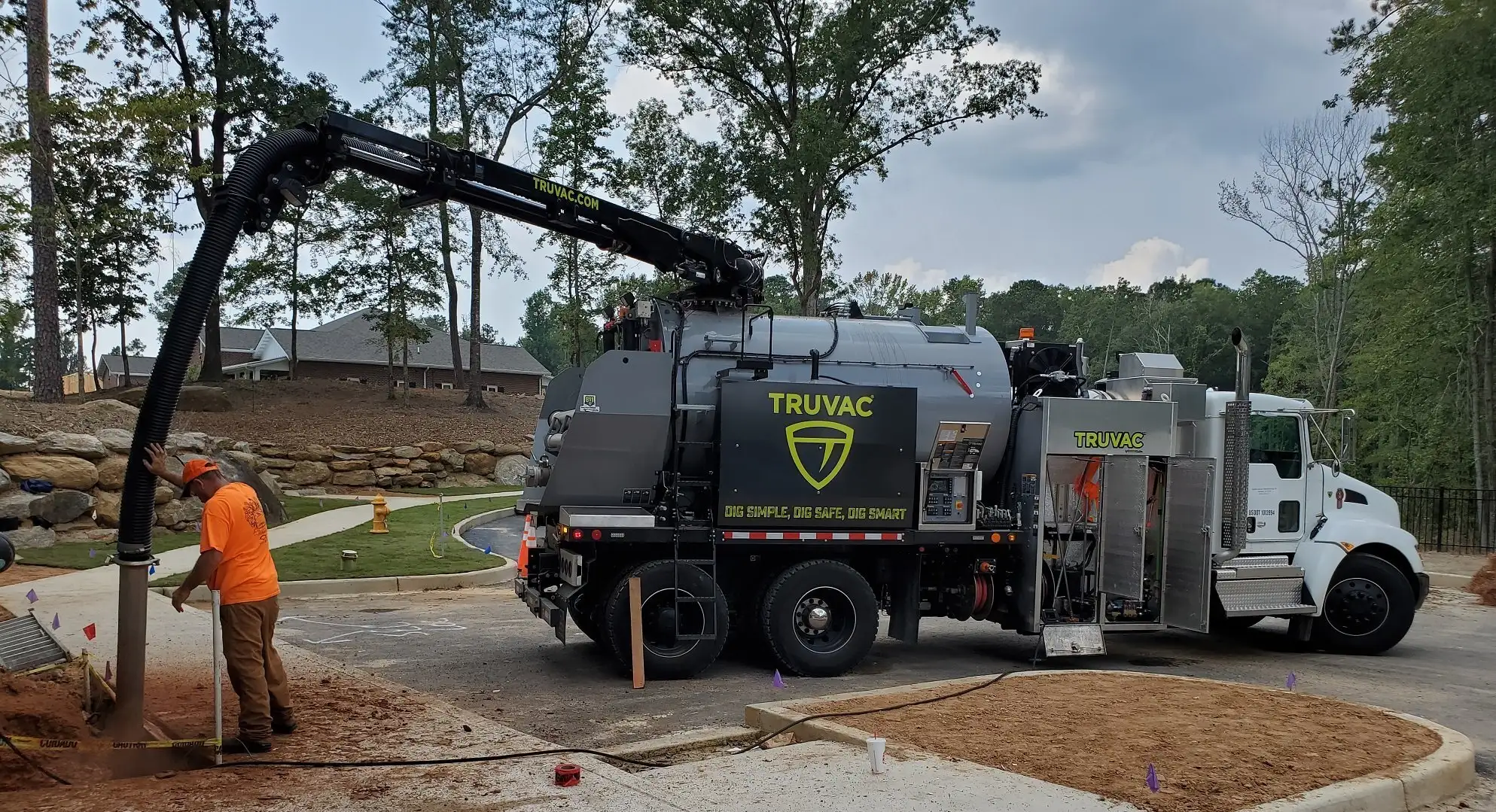
Hydro excavation for rail yards, bridges, and transportation work lets crews dig near tracks, footings, and buried utilities without heavy mechanical contact. Transportation sites are tight, busy, and full of things you cannot see. Rail corridors hold signal and communication lines. Bridges have footings, drainage, and utilities running alongside. A hydro excavator uses pressurized water and a vacuum to open the ground in a controlled way. This guide covers where it fits, what to plan for, and how to choose equipment for transportation crews. The goal is simple: fewer surprises, fewer strikes, and a job that stays on schedule for everyone.
Hydro excavation suits rail yards, bridges, and roadway projects because it digs with water and vacuum instead of a bucket. That protects buried signal lines, utilities, and structures, and it works in tight spaces. Crews still need locates, site rules, and a plan for water and spoil.
Why Transportation Sites Are Hard to Dig
Limited access and tight work windows
Rail yards and busy roads give crews narrow windows to work. Space is short, and every hour counts. Equipment has to get in, do the job, and get out without causing delays.
Buried lines everywhere
Signal, communication, power, and drainage lines often share the same corridor. Records may be old or incomplete. Opening the ground with a bucket can hit something that is hard to repair and costly to shut down.
Structures that cannot be disturbed
Bridge footings, retaining walls, and track beds all depend on stable ground. Digging next to them calls for control. Vacuum excavation removes soil without the shaking and pressure that heavy tools can add.

Common Transportation Uses
Rail yards and track corridors
Crews use hydro excavation to expose signal and communication lines, set new poles and foundations, and open pits near track. Because the digging is controlled, it fits better beside live infrastructure. Rail owners usually have strict access and safety rules, so your crew should confirm requirements well ahead of the job.
Bridge footings and abutments
Work near a bridge may involve inspecting a footing, clearing soil from a pier, or repairing drainage. Vacuum excavation can clear soil with care, so engineers can see the structure. It is a good fit when an inspection needs a clean, open view.
Roadway utilities and signals
Traffic signals, lighting, signs, and guardrails all need foundations and conduit. Crews pothole to find lines, then dig footings or trenches with less risk. This is a regular use for highway and city crews.
Drainage and culvert work
Culverts and storm drains often sit close to other utilities. A hydro excavator can clear around them and help crews reach a problem spot without tearing up more surface than needed. Our post on hydro excavation applications and benefits shows more examples.
Vacuum Excavation vs. Other Methods on Transportation Jobs
| Method | Strengths | Watch-outs |
|---|---|---|
| Hydro excavation | Controlled digging near lines and structures, narrow footprint | Needs water, spoil plan, and trained operators |
| Backhoe or excavator | Moves large volumes quickly | Bucket contact risk, larger footprint, vibration near structures |
| Hand digging | No special equipment | Slow, tiring, still a strike risk |
| Air and vacuum | Less slurry on site | Suited to certain soils and setups, ask your branch |
Most transportation crews use more than one method. Hydro excavation tends to be the tool for the careful parts of the job.
Planning a Transportation Dig
Locate first, then verify
Call for locates and review all drawings you can get. Use a locator to mark likely lines, and use the vacuum excavator to confirm. Our guide on choosing a utility locator is a good starting point. For the legal side, read about 811 dig law in California, Nevada, and Arizona, and follow your own policies and those of the site owner.
Plan for water
The truck needs a water source and a place to refill. On rail property or a bridge site, this may not be simple. Work out the refill plan before the crew arrives so the truck does not sit idle.
Plan for spoil
The debris tank fills as the crew digs. Know where the material will go, and whether the site owner has rules about it. Our article on slurry and spoil disposal explains the planning in plain terms.
Plan for traffic and site rules
Road and rail jobs often need traffic control, flaggers, or railroad protection. Those requirements come from the owner or agency, not from the equipment dealer. Confirm them early and build them into the schedule.

Choosing Equipment for Transportation Crews
Size and reach
A big truck holds more but needs more room. A smaller or trailer-mounted unit can fit between tracks, on narrow shoulders, or under a bridge. Our guide to how to size a vacuum excavator covers the trade-offs.
Operator access
Staffing matters on long projects. Some truck designs are built so more of your people can operate them. Read about the non-CDL advantage of the TRUVAC Paradigm, and confirm with your branch and compliance team what applies to you.
Brands and options
Haaker Underground offers TRUVAC hydro excavation trucks, Pacific Tek vacuum excavators, and other lines. Our comparison of TRUVAC, Ring-O-Matic, and Pacific Tek helps narrow the choice.
Clear communication on noisy sites
Rail yards and roadways are loud. Crews need to hear each other. Read how Sonetics wireless headsets help teams stay in contact.
Gas detection in enclosed spaces
Some transportation jobs involve vaults, pits, or enclosed spaces. Gas detection is a separate safety tool for those cases. See our RKI gas detection equipment page, and follow your site’s safety plan.
Heat, Service, and Uptime
Transportation work does not pause for summer. Hot weather puts extra load on pumps, engines, and hoses, so read our notes on running equipment in extreme heat. Keep up with regular service, and use the service request page when something needs attention. Wear items and add-ons are listed on the parts and accessories page.
Rent or Buy for Transportation Projects
Many transportation contracts are project based. A rental can add capacity for a bridge job or a signal upgrade without a long commitment. If your agency or company digs on most days, owning may fit better. Our post on renting vs. buying lays out the factors, and the rentals page is a good first stop. Contact the branch nearest you for current options.
If X, Choose Y
- If you dig near live signal or communication lines, choose hydro excavation and verify with a locator.
- If you work under bridges or between tracks, choose a compact or trailer-mounted unit.
- If your jobs are long with lots of digging, choose a truck with larger debris capacity and plan unload stops.
- If your contract is short or seasonal, choose a rental.
- If your crew has mixed license types, choose a configuration built for broader operator access and confirm with your branch.
- If you want proof before you commit, choose a demo on a job like yours.
Frequently Asked Questions
Can hydro excavation be used near railroad tracks?
Yes, it is often chosen for digging near tracks because it removes soil without heavy mechanical contact. Rail owners set their own access and safety rules, so confirm what applies before mobilizing. Plan for water, spoil, and any required protection ahead of time.
Is hydro excavation safe to use around bridge footings?
It is commonly used near footings because it digs in a controlled way and avoids bucket contact. The engineer or owner should approve the plan. Operators need training, and the work should follow site rules and the project’s safety procedures.
Why use a vacuum excavator instead of a backhoe on transportation jobs?
A vacuum excavator lowers the chance of striking buried lines and structures. It also has a narrow footprint, which helps in tight corridors. A backhoe still has a place for large volumes of soil once the area is confirmed clear.
How do crews handle spoil on a bridge or rail site?
Spoil is held in the debris tank and then hauled to an approved site. Space is often limited, so plan the haul route and unload timing before work starts. The site owner may have rules about disposal, so check early.
What size hydro excavator works best for tight transportation sites?
Smaller or trailer-mounted units fit tight spaces best, while larger trucks hold more spoil. The right choice depends on access, haul distance, and daily volume. Talk with your nearest branch about options that match your sites, your access limits, and the way your crew works.
Should a transportation crew rent or buy a hydro excavator?
Rent for project-based or seasonal work, or when you want to try a setup first. Buy if you dig most days and want the truck ready when you are. A branch can help you compare the costs and fit for your workload.
The Bottom Line
Rail yards, bridges, and roadways leave little room for mistakes. Hydro excavation gives crews a controlled way to dig near buried lines and structures. Pair it with proper locates, a plan for water and spoil, and the right size of equipment. Keep the truck serviced, train your operators, and bring in a local team that knows the work.
Why Choose Haaker Underground for Hydro Excavation Trucks
Haaker Underground sells and rents hydro excavation trucks and vacuum excavators, backed by factory-trained service, parts, and operator training. With seven branches across California, Nevada, and Arizona, there is a local team close to your crews.
Ready to take a closer look? Browse our TRUVAC hydro excavation trucks, request a demo, or contact us. You can also call the branch nearest you below.
Call or Visit the Branch Nearest You
Haaker Underground serves California, Arizona, and Nevada. Tap a number to call, or choose “View map” for the address and directions.