
A vacuum truck for aggregate and asphalt plant cleaning can take over the dirty, slow work that keeps crews shoveling instead of producing. Plants collect fines, dust, mud and spilled material in places that are hard to reach by hand, like under conveyors, inside tanks and sumps, and in culverts. Left alone, that buildup causes slips, clogged drainage, worn equipment and downtime. A vacuum truck pulls the material up and hauls it away, often faster and with fewer people in harm’s way. This guide explains where a vacuum truck helps at a plant, which jobs fit best, how to plan the work safely, and what to ask before you buy or rent one.
Yes. A vacuum truck can clean many parts of an aggregate or asphalt plant, including settling tanks, sumps, culverts, conveyor spillage and general buildup of fines. It removes loose and wet material without hand shoveling. The right setup depends on your material and site, so confirm details with your local branch.
Why Plants Need More Than a Shovel and a Loader
Material ends up where equipment cannot reach
Aggregate and asphalt plants move a lot of material, and some of it always escapes. Fines settle under belts, wash into drains and pile up in corners. A loader cannot fit into those spots, so the work falls to crews with shovels and wheelbarrows.
That is slow, tiring work. It also puts people in tight, dusty places for long stretches.
Buildup costs you in quiet ways
Spillage does not look like an emergency until it is one. Packed material can jam rollers, wear belts faster and hide leaks. Blocked drainage can send muddy water where it should not go.
Regular cleaning keeps small problems small. A vacuum truck makes regular cleaning realistic, because one crew can cover a lot of ground in a shift.
How a vacuum truck helps
A vacuum truck uses suction to lift material into a debris tank. Depending on the configuration, it can handle dry fines, wet slurry, or a mix of both. Hydro excavation trucks add pressurized water, which helps break up packed or caked material so it can be pulled out.
You can read more about how these machines work on our hydro vacuum excavation trucks page.
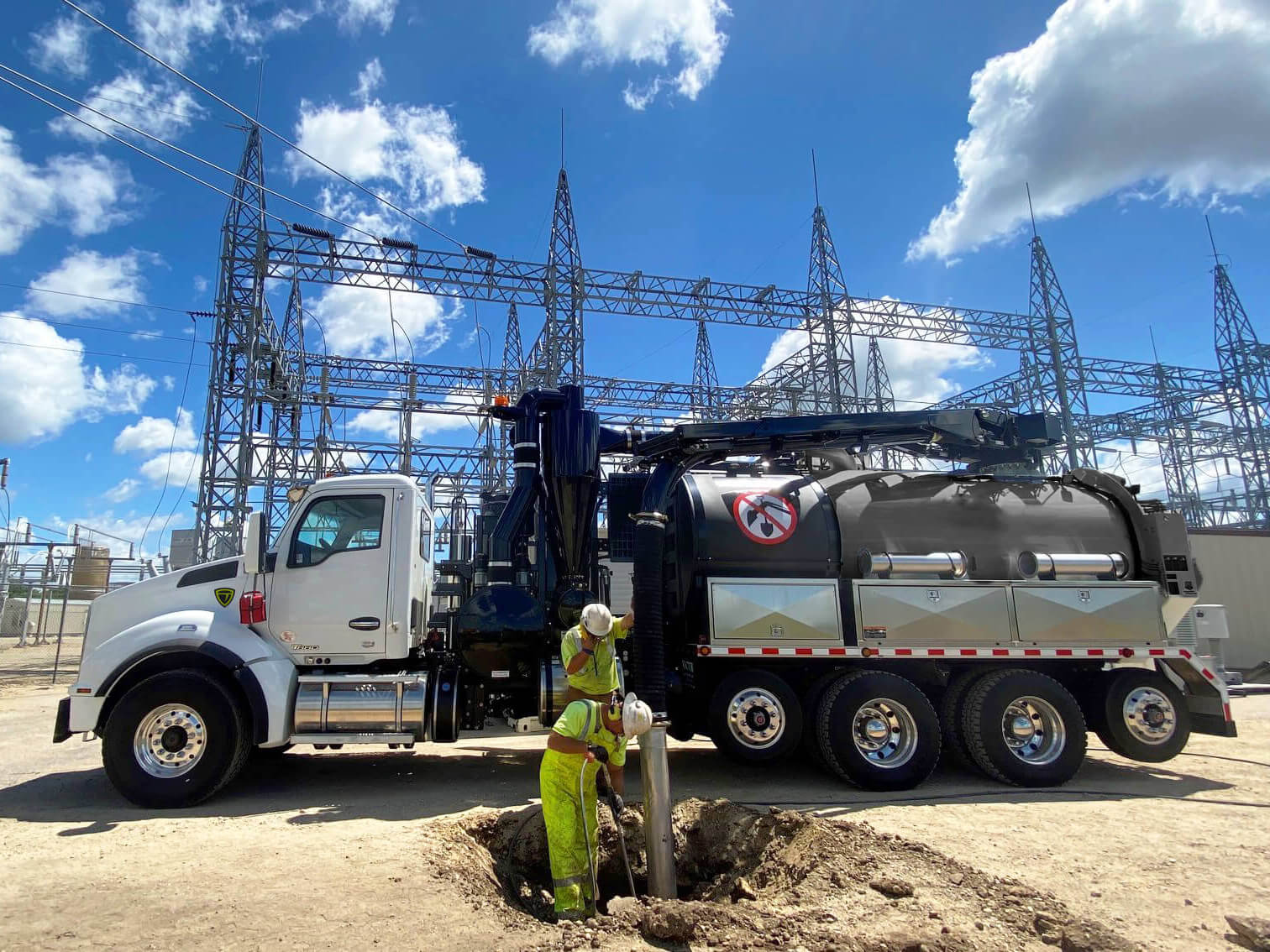
Where a Vacuum Truck Fits at an Aggregate or Asphalt Plant
Tanks and sumps
Settling tanks, wash water sumps and similar structures collect sediment over time. Once they fill, they stop doing their job. A vacuum truck can pull settled sediment out without sending someone in with a shovel.
Always follow your site’s own rules for tanks and enclosed spaces. Many tank jobs can be done from the outside, which keeps people out of the hazard.
Culverts and drainage channels
Culverts clog with silt, gravel and trash. When they do, water backs up and erodes the ground around them. A vacuum truck can clear them from the opening, using a hose to reach into the pipe.
Water often helps here. Loosening packed silt first makes the vacuum work faster.
Conveyor spillage
Material that falls from belts and transfer points builds up along the whole line. Vacuuming it up keeps walkways clear and takes load off your crew. It also lets you get to the tight spots under and beside conveyors that a loader cannot reach.
Hoppers, bins and pits
Pits and low areas around feeders and hoppers fill with fines. Vacuum cleaning clears them out without long manual digging. It also helps during shutdowns, when crews have a short window to get everything clean.
General housekeeping and spill cleanup
Dust and fines settle on pads, slabs and drive lanes. A vacuum truck can pick up loose material from open ground and keep the yard cleaner. For liquid spills, a vacuum truck can also help recover free liquid, but check with your site safety team first about what is allowed.
A Note on Asphalt Plant Jobs
Know what you are cleaning
Asphalt plants have different materials than aggregate yards. Some areas hold hot or sticky material, and some hold dust or runoff. Not every material belongs in a vacuum tank.
Before you plan any job, list what is in the area and talk with your branch about whether a vacuum truck is a fit. Do not guess when the material is hot, oily or unknown.
Where the vacuum truck usually helps
Most plant cleaning jobs focus on aggregate fines, dust, sediment, runoff and general spillage. Those are the kinds of material a vacuum truck is built to handle. For anything outside that list, ask first.
Comparing Cleaning Methods
| Method | Best for | Drawbacks |
|---|---|---|
| Hand shoveling | Small, easy-to-reach spots | Slow, hard on crews, puts people in tight areas |
| Loader or skid steer | Large open piles | Cannot reach under conveyors or into tanks and culverts |
| Vacuum truck (dry or wet) | Fines, sediment, tanks, culverts, conveyor spillage | Needs a plan for where the material goes |
| Hydro excavation truck | Packed or caked material that needs water to loosen it | Creates slurry that must be handled and disposed of |
Many plants use a mix. The loader handles the big piles, and the vacuum truck handles everything the loader cannot reach.
Planning a Plant Cleaning Job
Walk the site first
Before the truck arrives, walk the area with the operator and the site lead. Mark hazards, find access paths and decide where the truck will park. Look up for overhead equipment and down for soft ground.
Decide where the material goes
What you pull up has to go somewhere. Dry fines may be reusable on site or may go to a stockpile. Wet material may need to dry out or settle before disposal. Our guide on slurry and spoil disposal covers the basics. Check your local rules and your site’s permits before you start.
Match the crew to the job
A good job usually has an operator and a spotter. Add a safety lead when the work is near tanks, traffic or moving equipment. Everyone should know the stop signal before the vacuum starts.
Plan around plant operations
Cleaning goes best when the plant is down or the area is locked out. Your site’s lockout and safety rules come first. Schedule the truck for planned shutdowns when you can.
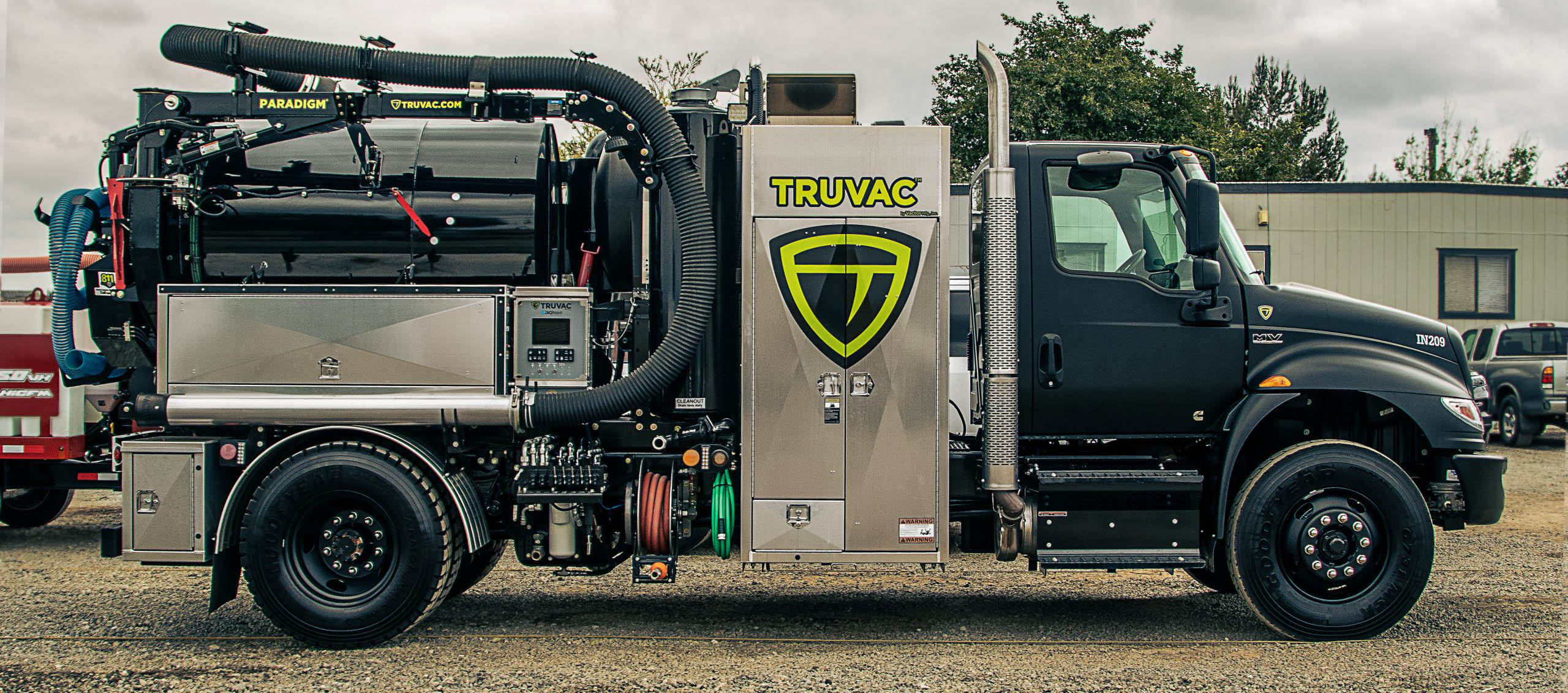
Safety Basics for Plant Vacuum Work
Dust and noise
Dry fines make dust, and vacuum trucks make noise. Crews should wear the protective gear your site calls for. Talk through hearing protection and dust control before work begins.
Moving equipment and traffic
Plants are busy places. Keep the truck away from haul routes when you can, and set up cones or barriers where needed. Make sure other drivers know the truck is working.
Enclosed spaces and tanks
Entering a tank is a serious hazard. Follow your site’s procedures and use trained people. Where possible, let the vacuum do the work from outside the space. Our post on how vacuum excavation trucks reduce risk explains why many crews prefer this approach.
Training matters
A vacuum truck is only as safe as the person running it. Haaker Underground offers training, so ask your branch what is available for new operators.
Choosing the Right Vacuum Truck for a Plant
Think about your material
Dry fines, wet sediment and thick slurry behave differently. Tell your dealer what you pull up most often. That helps match the truck and the tank type to the work.
Think about access
Look at the roads and pads at your plant. Can a truck turn around? Is the ground firm? Tight sites may call for a different size or style. Our guide to how to size a vacuum excavator can help you think it through.
Think about how often you will use it
Some plants clean every week, and some only during shutdowns. That changes the answer on whether to buy or rent. Read renting vs buying a hydro excavation truck for a simple way to compare.
Think about heat and dust
Plants in the Southwest run hot and dusty. Equipment needs regular care to keep working. See our tips on running equipment in extreme heat.
If X, Choose Y
- If you clean a few times a year during shutdowns, choose a rental and plan the work around it.
- If you clean often and every week matters, choose to buy a TRUVAC hydro excavation truck for your own fleet.
- If your main problem is dry fines and dust, choose a truck set up for dry material and ask your branch about the options.
- If material is packed or caked, choose a hydro excavation truck so water can loosen it.
- If your site is tight, choose a smaller unit and check the layout with the branch first.
- If you are not sure what is in a tank or sump, choose to stop and ask your safety lead and your dealer before any work begins.

Keeping the Truck Ready
Cleaning work is hard on equipment
Abrasive fines wear hoses, seals and filters. Wet, gritty material can find its way into places you do not want it. Rinse the truck and check it after plant jobs.
Factory-trained service and parts
Regular service keeps the truck ready for the next job. You can book through our service request page. For hoses, filters and wear items, browse parts and accessories or ask your branch.
Frequently Asked Questions
Can a vacuum truck clean an asphalt plant?
Yes, a vacuum truck can help with many cleaning jobs at an asphalt plant, such as dust, sediment, runoff and spillage. It is not right for every material, especially hot or unknown ones. Check what you are cleaning with your safety lead and your branch before work starts.
What can a vacuum truck pick up at a gravel or aggregate plant?
A vacuum truck can pick up dry fines, dust, wet sediment and loose spillage around conveyors, hoppers and settling areas. It is built for loose material, not large rocks. Ask your branch how your material and the truck configuration fit together before you plan a job.
How do you clean a settling tank or sump?
Most crews use a vacuum hose to pull settled sediment out of the tank or sump, often from outside the space. Water can loosen packed material first. Follow your site’s rules for tanks, and never enter an enclosed space without trained people and a proper plan.
Should I rent or buy a vacuum truck for plant cleaning?
Rent if you clean only during shutdowns or a few times a year. Buy if cleaning is regular, because owning gives you control of the schedule. Weigh how often you will use it, who will run it, and where the material goes. Your branch can help you compare.
Where does the material go after you vacuum it up?
That depends on the material and your site. Dry fines may be reused or stockpiled, and wet material often needs time to settle or dry before disposal. Plan the destination before the job starts, and check local rules and your site permits.
The Bottom Line
A vacuum truck can clean the places a shovel and a loader struggle to reach, including tanks, sumps, culverts and the area around conveyors. It saves labor and keeps crews out of tight, dusty spots. Plan where the material goes, follow your site’s safety rules, and match the truck to your material and your layout. For specifics on equipment, rentals and availability, contact the branch nearest you.
Why Choose Haaker Underground for Plant Cleaning Equipment
Haaker Underground sells and rents hydro excavation trucks and vacuum excavators, with factory-trained service, parts and training behind them. Our seven branches serve crews across California, Nevada and Arizona, so help is close to your plant.
Ready to talk through your plant cleaning needs? See the TRUVAC hydro excavation trucks, book a look at the hydro vacuum truck demos, or visit the contact page. Then call the branch nearest you below.
Call or Visit the Branch Nearest You
Haaker Underground serves California, Arizona, and Nevada. Tap a number to call, or choose “View map” for the address and directions.