
Hydrovac trailer rental is a smart option when your crew needs vacuum excavation for a project but does not want to tie up cash in a full truck. The hard part is knowing whether a trailer fits the job or whether you really need a truck. Pick wrong and you lose days to a machine that is too small, too slow to move, or more than the job calls for.
This guide compares a Ring-O-Matic trailer with a hydrovac truck in plain terms. You will see where each one shines, what to ask before you rent, and how to match the machine to the work. Rates are quoted by phone, so we stay general here and point you to the right branch.
A hydrovac trailer rental suits shorter jobs, tight work areas, and crews that already have a tow vehicle and want flexibility. A truck suits long shifts, long hauls between sites, and heavy daily use. Call your nearest Haaker Underground branch to match the machine to your project.
What a Hydrovac Trailer Does Differently
The basic idea
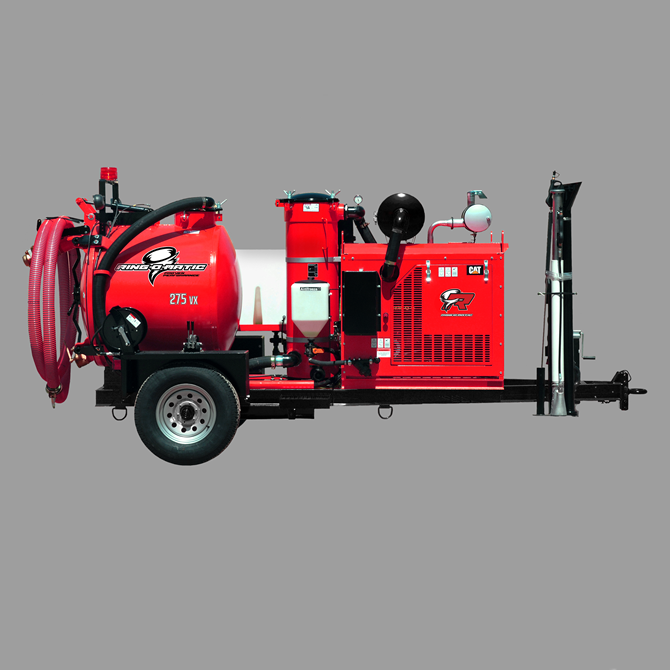
A trailer-mounted vacuum excavator carries its own equipment on a towable frame. You hook it to a suitable tow vehicle, haul it to the site, and set it up. The crew then digs, cleans out, or exposes utilities the same way they would with a truck-mounted unit.
Because the equipment rides on a trailer, you do not need a dedicated chassis and cab for the digging system. That changes how you move it, who can pull it, and how you plan the job.
Where Ring-O-Matic fits
Ring-O-Matic is one of the vacuum excavator brands Haaker Underground works with. Its trailers are meant for crews that want to tow vacuum excavation to the job. For the exact models available to rent, contact the branch nearest you, since the fleet can change.
If you want to see how the brands compare for an owner, our guide on TRUVAC, Ring-O-Matic and Pacific Tek walks through the differences.
What a Hydrovac Truck Does Differently
Everything on one chassis
A hydrovac truck puts the digging system, tanks, and controls on a single vehicle. The crew drives to the site, sets up, and drives away when done. There is no hitching, no separate tow vehicle, and fewer pieces to coordinate on a busy morning.
For a quick look at the truck side of the lineup, see our hydro vacuum excavation trucks page.
Built for steady, heavy use
Trucks tend to suit work that runs all day, several days in a row, or that moves between sites often. Loading, hauling, and unloading spoil is part of the routine, and a truck is set up for that rhythm. If your project looks like a long run of daily digs, a truck is often the more natural fit.
Trailer vs Truck: Side by Side
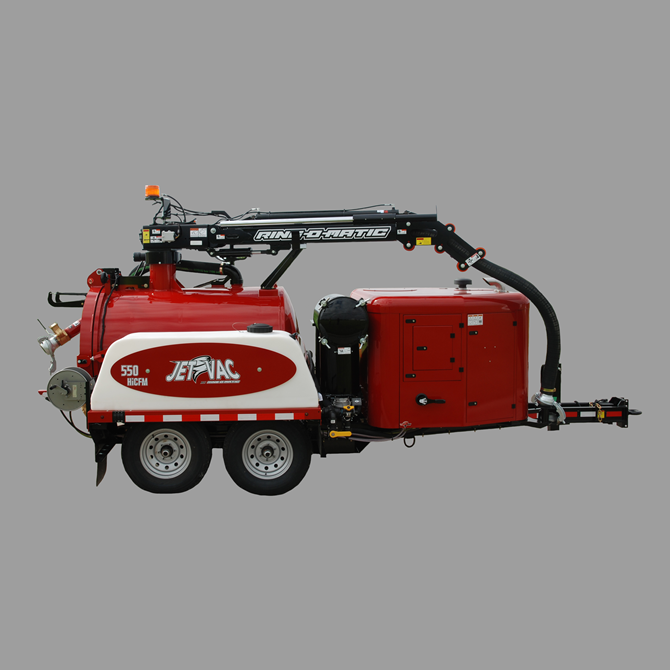
The table below compares the two in general terms. It is a starting point, not a quote. Ask your branch how your exact project lines up.
| Factor | Ring-O-Matic Trailer | Hydrovac Truck |
|---|---|---|
| Transport | Needs a suitable tow vehicle | Drives itself to the site |
| Setup | Hitch, haul, set up | Drive, park, set up |
| Tight work areas | Often easier to position | Depends on the truck and the site |
| Long daily use | Better for lighter schedules | Built for steady, heavy schedules |
| Moving between sites | Extra hitching steps | Straight drive |
| Crew needs | Tow vehicle and a driver who can pull it | A driver qualified for the truck |
| Rates | By phone | By phone |
When a Trailer Rental Makes Sense
Short projects and one-off digs
If you only need vacuum excavation for a few days or a single phase of a project, renting beats owning. A trailer lets you bring in the capability, finish the work, and send it back. You skip long-term costs like storage, insurance, and upkeep.
Crews that already tow
Some contractors already run heavy-duty pickups and trailers every day. For them, adding a vacuum excavator trailer fits how they already work. Your crew knows how to hitch, haul, and park. Confirm tow vehicle needs with the branch before you reserve, since requirements depend on the unit.
Tight spots and small work areas
Residential streets, alleys, and busy commercial lots can be tough on a large vehicle. A trailer can sometimes be easier to place near the dig. You still need room for the crew, traffic control, and spoil handling, so walk the site first.
Testing before you commit to a purchase
Renting is a low-risk way to learn what vacuum excavation does for your business. If your crew likes the workflow, you will have real experience to bring to a buying decision. Our post on renting vs buying a hydro excavation truck covers that choice in more depth.

When a Truck Rental Is the Better Call
Long shifts and repeat daily digs
A job with many digs a day, every day, wears on any machine and any crew. A truck is built around that kind of schedule. Having everything on one vehicle also means less time spent on hitching and unhitching.
Jobs that move around
If your crew hits several sites in one day, a truck can simply drive from stop to stop. A trailer can do it too, but each move adds steps. Over a long day, small steps add up.
Large or demanding projects
Bigger projects can call for more capability than a trailer is meant to deliver. We do not list specs here, because the right answer depends on your soil, depth, and spoil plan. Tell the branch what you are digging, and they can point you toward the right class of machine. Our guide on how to size a vacuum excavator can help you prepare for that call.
Questions to Answer Before You Call
About the work
Know what you are excavating and why. Is it potholing to confirm a utility, trenching near a line, cleaning out a vault, or something else? Share the soil type if you know it, how deep you expect to go, and how long the project will run.
About the site
Think about access and space. Where will the unit park, where will the spoil go, and how will you manage traffic? Planning disposal early saves headaches, and our article on slurry and spoil disposal explains the basics.
About your crew
Think about who will run the unit and what they are comfortable with. Training can make a big difference in safety and speed. Ask your branch about training options if your crew is new to vacuum excavation.
About timing
Share your start date and how long you need the unit. Availability changes, so ask the branch rather than assuming. Calling early gives you more choices.
Quick Decision Guide
Use this list as a rule of thumb. It will not replace a conversation with your branch, but it helps you walk in prepared.
- If you need vacuum excavation for a short project, choose a trailer rental.
- If your crew already tows heavy equipment daily, choose a trailer.
- If your work area is tight, ask about a trailer first.
- If you run long shifts with many digs a day, choose a truck.
- If you move between several sites in one day, choose a truck.
- If the job is large or demanding, ask about a truck and describe the work.
- If you are not sure, call the branch and describe the project.
Safety and Planning Basics
Call before you dig
Vacuum excavation is popular because it is a careful way to expose buried lines. It does not replace locating utilities first. Our article on 811 and dig law basics gives a plain overview, and a good utility locator helps your crew work with more confidence.
Watch the weather
Heat and cold both affect how you run equipment and crews. Plan breaks, water, and daily checks. Our post on running equipment in extreme heat has practical tips for the Southwest.
Walk the unit with the branch
When you pick up or receive a rental, ask for a quick walkthrough. Learn the controls, the safety features, and the daily checks. A few minutes at the start can prevent a lot of trouble later.
Frequently Asked Questions
How much does a hydrovac trailer rental cost?
Rates depend on the unit, the rental length, and your location, so Haaker Underground quotes them by phone. Call the branch nearest you, describe your project, and ask what is available. They can walk you through options and tell you what the rate covers.
Is a trailer or a truck better for a short project?
A trailer is often a good fit for a short project, especially if your crew already has a suitable tow vehicle. A truck can also work well if you want everything on one vehicle. The right pick depends on your site and schedule, so ask your branch.
What do I need to tow a vacuum excavator trailer?
You need a tow vehicle suited to the specific unit and a driver who can pull it safely. Requirements vary by model, so do not guess. Ask the branch for the details on the unit you plan to rent before you reserve it.
Can I rent a hydrovac truck instead?
Yes, you can ask about truck rentals as well as trailers. Fleet and availability change, so contact the branch nearest you for current options. Visit the rentals page to start the conversation, and be ready to describe the work you need done and when you need it.
Should I rent first before buying?
Renting first is a practical way to learn how vacuum excavation fits your business. Your crew gets hands-on time, and you learn what size and style you need. Many owners find that real experience makes the buying decision much clearer, and it costs less than guessing wrong.
The Bottom Line
A trailer and a truck can both get the job done, but they suit different work. Trailers fit shorter projects, crews that already tow, and tighter sites. Trucks fit long shifts, moving between sites, and demanding schedules.
Start with the work, not the machine. Describe your project to the branch, ask about rates and availability, and plan for spoil disposal and utility locating. A short call can save you a lot of time and money.
Why Choose Haaker Underground for Hydrovac Rentals
Haaker Underground sells and rents hydro excavation equipment, backed by factory-trained service, parts, and training. With branches across California, Nevada and Arizona, you can work with a team that knows your region and your jobs.
Ready to talk about hydrovac trailer rental? You can also book a demo or reach out through our contact page, then call the branch nearest you below.
Call or Visit the Branch Nearest You
Haaker Underground serves California, Arizona, and Nevada. Tap a number to call, or choose “View map” for the address and directions.