
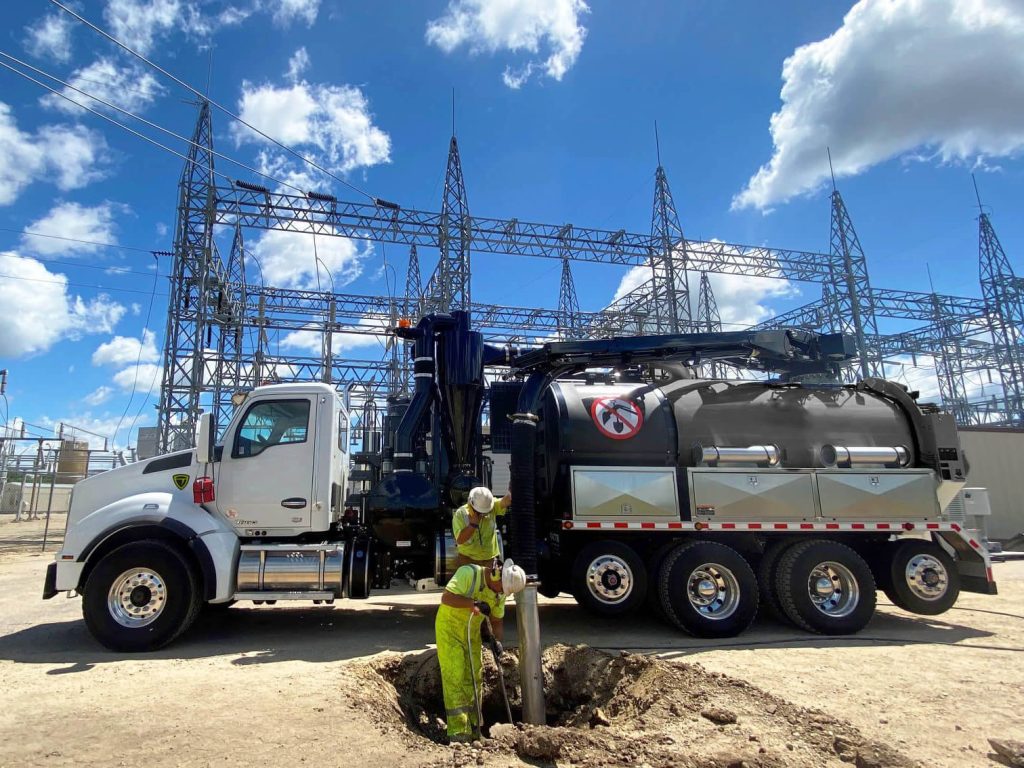
Hydrovac wear parts and OEM parts planning keeps your truck working instead of waiting on a part. Nozzles, hoses, and filters all wear out with use, and a worn part at the wrong moment can stop a whole crew. A little planning turns a surprise breakdown into a quick swap.
The goal is simple: fewer stops, shorter waits, and parts that fit the first time.
This guide explains which parts wear, why OEM parts matter, and how to build a simple parts plan. It also shows how to request parts from Haaker Underground. For specifics on your equipment, contact the branch nearest you. They can match parts to your truck and answer questions about availability.
Plan your hydrovac wear parts by tracking what wears out first, such as nozzles, hoses, and filters, and keeping a small set of OEM replacements on hand. Know your truck’s make and model, and use the parts request page so the team can match the right part.
Which Parts Wear Out First
Nozzles
Nozzles take the abuse of moving water and grit. Over time they wear, and the spray changes. A worn nozzle can make digging slower and less predictable, so check them often.
Hoses
Hoses flex, drag, and sit in the sun. They can crack, kink, or leak at the ends. Look them over at the start of each shift and replace any that look damaged.
Filters
Filters protect the system from dirt and debris. A clogged filter hurts performance and can strain other parts. Check and service them on the schedule your equipment calls for.
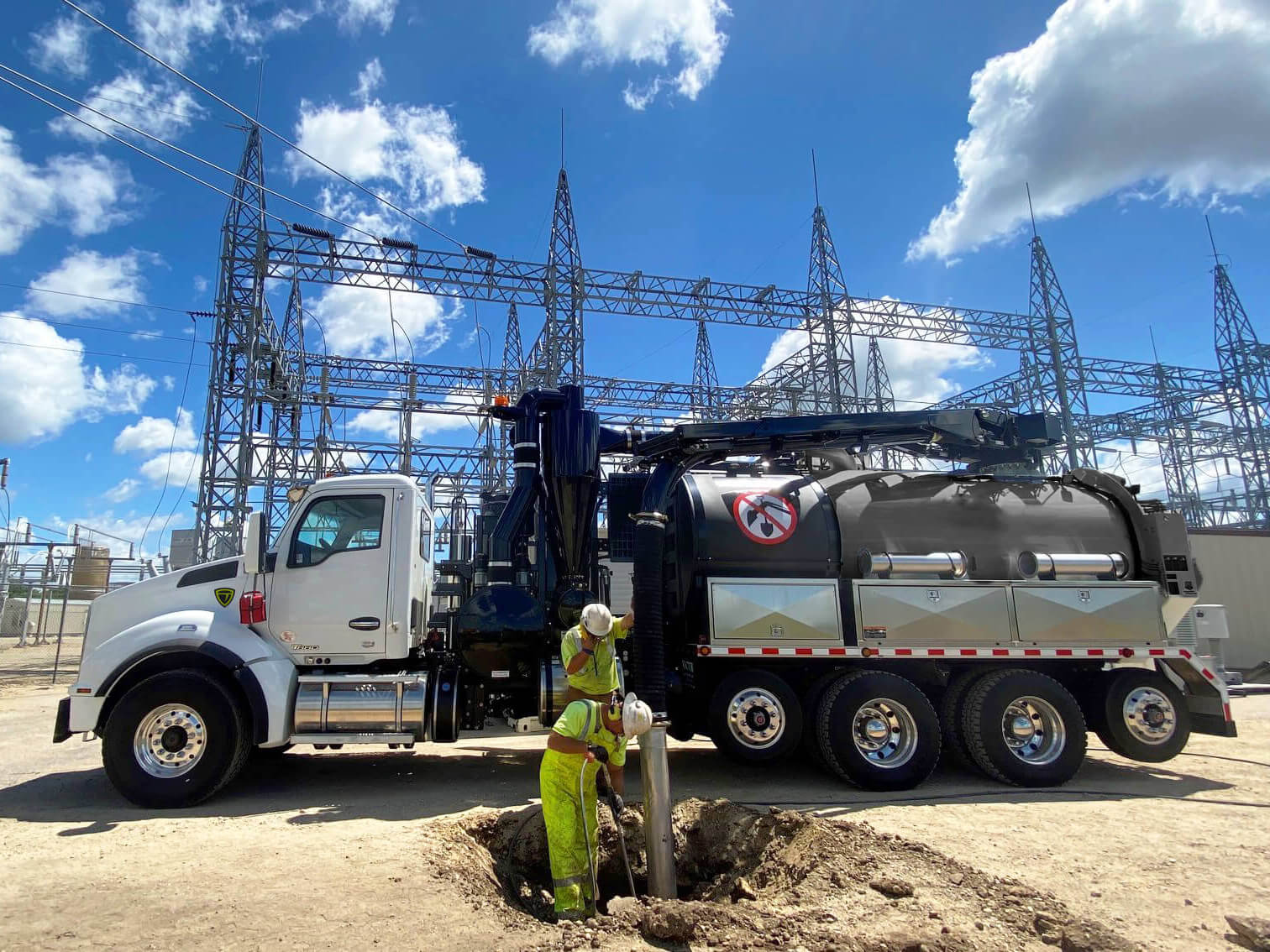
Seals, fittings, and other small items
Small parts cause big stops. A single worn seal or fitting can take a truck out of service. Ask your service team which small items are worth stocking for your model.
What OEM Parts Are and Why They Matter
Made for your equipment
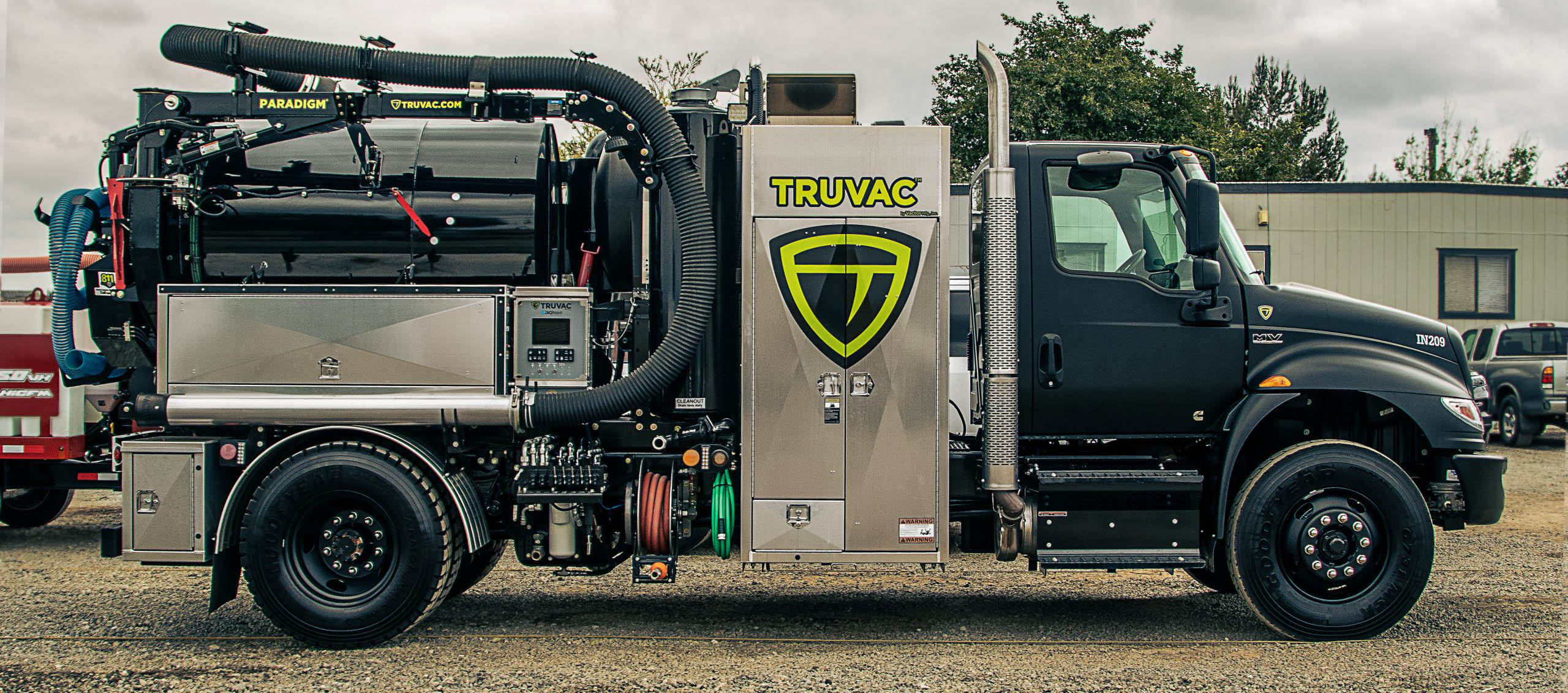
OEM stands for original equipment manufacturer. OEM parts are made to fit and work with your specific machine. Haaker Underground supports OEM Vactor and Elgin parts, so you can ask about parts made for those brands.
Fit and consistency
A part that fits right and works as designed means fewer headaches. Mismatched parts can cause leaks, poor performance, or extra wear on nearby components. OEM parts help you avoid that guesswork.
Easier support
When you use the right parts, service is simpler. Technicians know what they are working with, and troubleshooting gets faster. That ties in with our factory-trained service, which you can read about in our post on hydro vacuum excavator truck service.
OEM vs Non-OEM: A Quick Comparison
The table below shows general differences. Your own needs and budget will shape your choice, so talk it over with the parts team.
| Factor | OEM Parts | Non-OEM Parts |
|---|---|---|
| Fit | Made for your machine | Varies by maker |
| Consistency | Same part each time | May change between orders |
| Troubleshooting | Simpler, known parts | Can add unknowns |
| Support | Backed by the equipment brand | Depends on the seller |
| Price and availability | Contact your branch | Contact your branch |
How to Build a Simple Parts Plan
Step 1: Know your equipment
Write down the make, model, and any serial or identification details on your truck. Take photos of data plates. This is the single biggest help when ordering the right part.
Step 2: List what wears
Walk the truck and list wear items such as nozzles, hoses, and filters. Add anything your crew has replaced before. This list becomes your starting stock plan.
Step 3: Track what you use
Keep a simple log of parts replaced, when, and why. After a few months you will see patterns. Those patterns tell you what to keep on the shelf.
Step 4: Stock a small kit
Keep a few common replacements on the truck or in the yard. Pick items that are cheap to hold but costly to wait for. Your parts team can suggest what makes sense for your model.
Step 5: Plan for the season
Hot weather, freezing weather, and heavy workloads all change how fast parts wear. Our post on running equipment in extreme heat covers habits that help in the Southwest.

How the Parts Request Process Works
Start with the parts page
Visit the parts and accessories page to learn what Haaker Underground offers and how to send a request. Have your truck details ready before you start. The more you share, the faster the team can match the part.
Give clear details
Include the make, model, and what the part does. If you can, add a photo of the old part or its markings. Describe the symptom if you are not sure what part you need.
Confirm the details with the team
The team can confirm the right part and tell you about availability and pricing. We do not list stock or prices here, because they change. Contact the branch nearest you for current information.
Bring in service when needed
If you are unsure whether a part is the cause, ask for help. A technician can diagnose the problem so you buy the right part once. You can reach the team through the service request page.
Common Parts Planning Mistakes
Waiting until something fails
Many crews order only after a breakdown. That means the truck sits while the part ships. A small kit and a regular inspection routine avoid most of that.
Skipping the paperwork
Without the model and ID details, ordering turns into guessing. Keep the information in your phone and in the truck. It takes a few minutes and saves days.
Ignoring small leaks and wear
A small leak or a worn spot is a warning. Fix it early, and you may avoid a bigger repair. Pair parts planning with regular service for the best results.
Forgetting the rest of the fleet
If you run more than one truck, record each one separately. Parts can differ even between similar models. Our article on comparing vacuum excavator brands shows how different machines can be.
Inspection Habits That Make Parts Last
Start-of-shift walkaround
Take a few minutes before each shift to look over the truck. Check hoses for cracks, fittings for leaks, and nozzles for wear. Catching a problem before the crew heads out is far cheaper than fixing it on the roadside.
Clean as you go
Dirt and debris wear parts faster. Rinse equipment at the end of the day and keep filters clean. Clean parts are also easier to inspect, so you notice damage sooner.
Store spares the right way
Keep spare hoses and nozzles out of the sun and off the ground. Label them by truck if you run more than one. Parts that are easy to find get used, and parts that are lost get ordered twice.
Train the crew
Operators who understand how parts wear spot trouble sooner. Haaker Underground offers training, so ask your branch what is available. A well-trained crew treats equipment better and reports problems earlier.
Which Approach Fits You
Use this list to find a starting point. Your branch can help with the details.
- If you want fewer surprises, choose a small stocked kit of wear parts.
- If you run a Vactor or Elgin unit, ask about OEM parts for it.
- If you are not sure which part you need, choose a service diagnosis first.
- If you work in extreme heat, check hoses and filters more often.
- If you run several trucks, keep a separate parts list for each.
- If a part is urgent, call the branch rather than waiting on a form.
Frequently Asked Questions
What wear parts does a hydrovac truck need replaced most often?
Nozzles, hoses, and filters are common wear items because they handle water, debris, and constant movement. Seals and fittings also wear. How often depends on your workload and conditions, so track what you replace and ask your parts team for guidance.
What are OEM parts?
OEM parts are made by or for the original equipment manufacturer to fit a specific machine. They are designed to work as the equipment was built. Haaker Underground supports OEM Vactor and Elgin parts, so ask the team about your equipment.
How do I request hydrovac parts from Haaker Underground?
Use the parts and accessories page and have your truck’s make, model, and identification details ready. Add photos or a description of the part if you can. The team will help match the right part and share availability. Contact your nearest branch for current information.
Should I keep spare parts on my hydrovac truck?
Keeping a small set of common wear items is a good idea, especially for parts that are cheap to hold but costly to wait for. Your parts team can suggest what fits your model and workload. Ask the branch nearest you.
How do I know which part I need?
Start with your truck’s make and model and describe the symptom or the worn part. If you cannot tell, request service so a technician can diagnose it. That way you buy the correct part the first time and avoid repeat orders.
The Bottom Line
Wear parts are a normal cost of running a hydrovac truck, but surprises are optional. Know your equipment, list what wears, track what you use, and stock a small kit. Use OEM parts where fit and support matter most.
When you need a part, send clear details through the parts request process. A little planning keeps your crew digging.
Why Choose Haaker Underground for Hydrovac Parts
Haaker Underground sells and rents hydro excavation equipment, and backs it with factory-trained service, parts, and training. Our branches across California, Nevada and Arizona put help close to your crew.
Ready to plan your parts? Visit our parts and accessories page, book a demo, or use our contact page, then call the branch nearest you below.
Call or Visit the Branch Nearest You
Haaker Underground serves California, Arizona, and Nevada. Tap a number to call, or choose “View map” for the address and directions.