
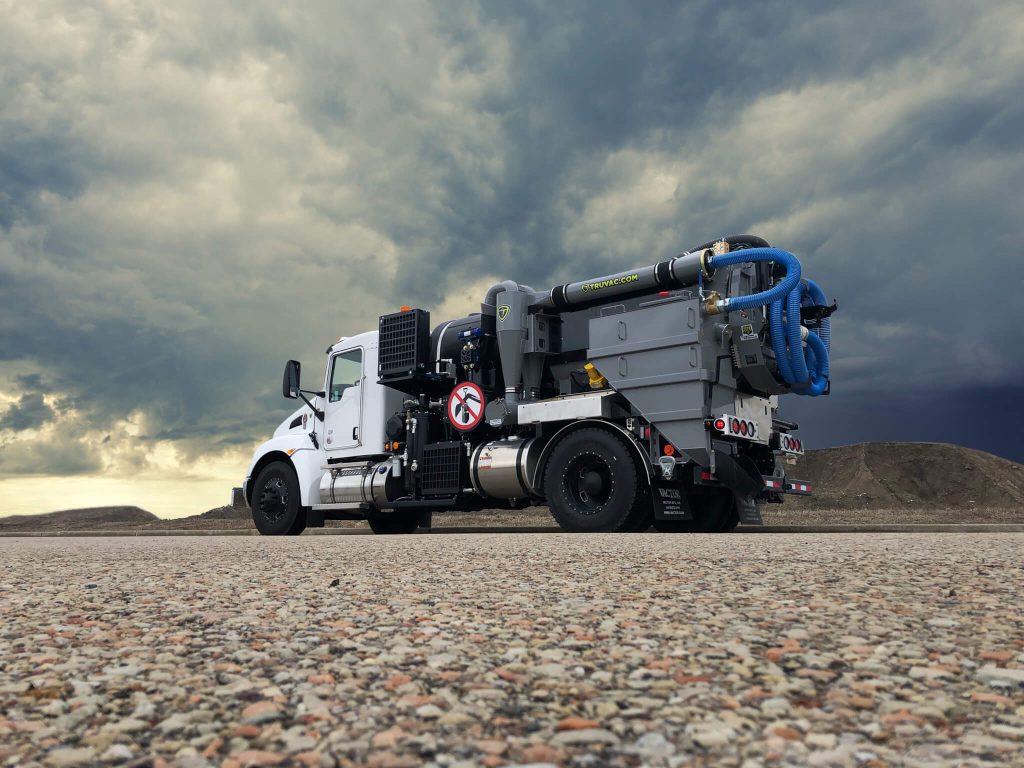
In Phoenix, Las Vegas, and inland California, summer is the season that breaks equipment and crews if you are not ready. Running equipment in extreme heat takes a plan to keep your vacuum excavators and asphalt machines going when the air hits 110 degrees and the pavement is far hotter. Overheated hydraulics, cooked fluids, blown tires, and heat-exhausted operators all cost you the same thing: downtime. This guide covers how to protect your machines and your people through a Southwest summer, with practical checklists crews can use across California, Nevada, and Arizona.
To run vacuum and asphalt equipment safely in extreme heat, keep cooling systems clean and full, check hydraulic and engine fluids daily, watch tire pressure, schedule heavy work for cooler hours, and follow your state’s heat-illness rules with water, shade, and rest breaks.
Why Southwest Heat Is Hard on Equipment
Heavy equipment makes its own heat, and a 110 degree day stacks on top of that. When ambient temperature climbs, radiators and oil coolers have less margin to shed heat. Hydraulic oil thins, engines run hotter, and components that would be fine at 75 degrees start to struggle. Asphalt and vacuum work also runs on hard surfaces that radiate heat back at the machine and the crew.
The Central Valley around Fresno and Bakersfield, the Inland Empire, the Las Vegas valley, and Greater Phoenix all see long stretches above 100 degrees. Planning for that, instead of reacting to it, is what keeps a crew productive through July and August.
Protecting Your Vacuum Excavators in the Heat
Cooling system first
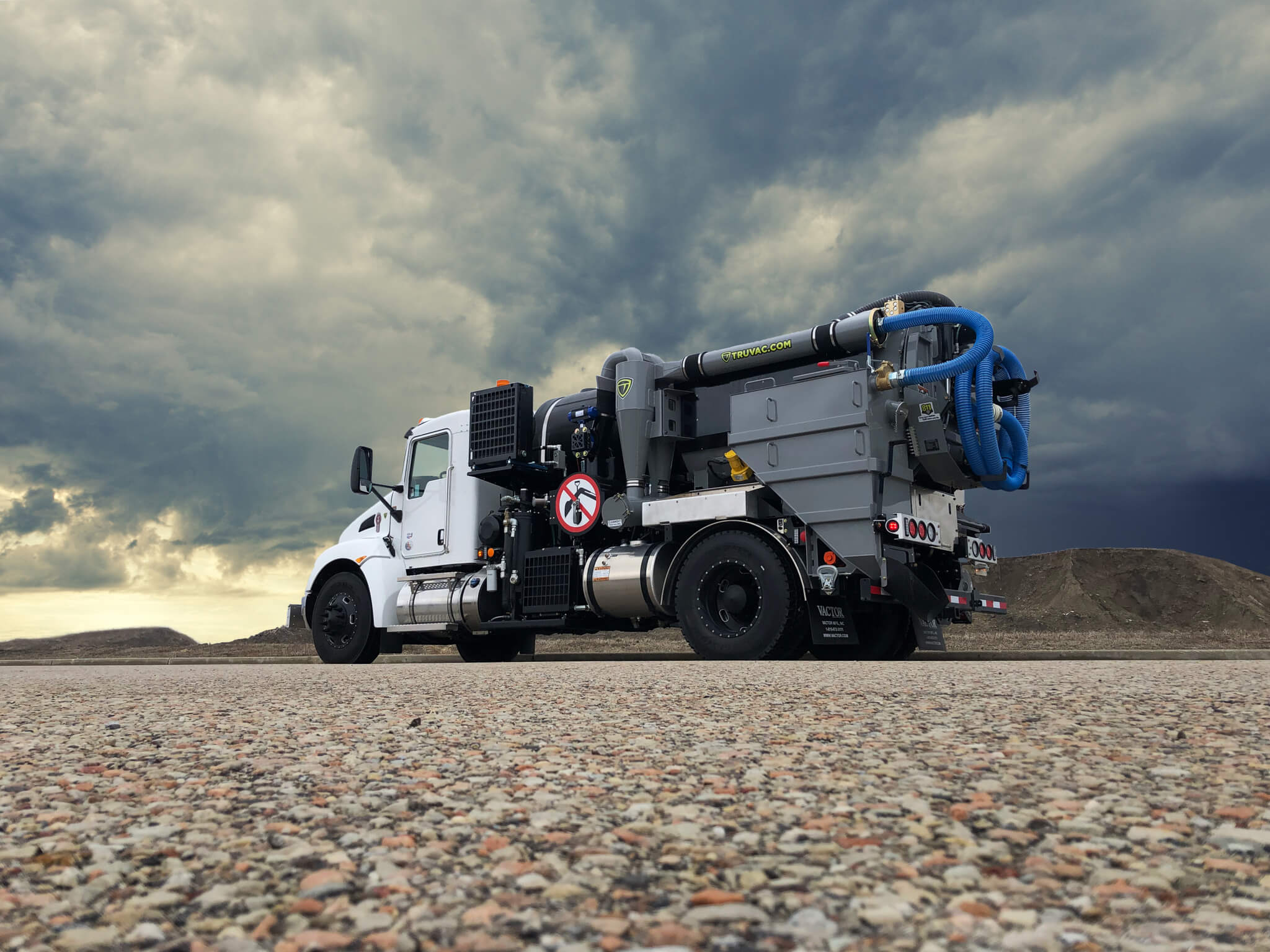
Keep radiators and coolers clean and clear of mud, dust, and slurry buildup. A caked cooling fin cannot do its job. Check coolant level and condition, and confirm the fan and shroud are working. Dust is constant on desert sites, so cleaning intervals should be shorter in summer.
Watch the hydraulics
Hydraulic systems carry a lot of the load on a vacuum excavator, from the boom to the blower drive. Heat thins the oil and stresses seals. Check hydraulic fluid daily, look for weeping seals, and let a hot system cool before opening anything. Overheated hydraulics are one of the most common summer failures.
Mind the water system
On a hydro unit, water sitting in a tank under the sun gets hot. That is usually fine for cutting, but very hot water and lines deserve care during handling. Keep the water system serviced so pumps are not fighting friction on top of heat.
Blower and engine heat
The blower and engine are major heat sources. Keep air filters clean so the engine breathes, since a clogged filter in dusty conditions makes heat problems worse. Follow the maintenance interval for the blower and listen for changes in sound or temperature.
Tires and undercarriage
Hot pavement raises tire pressure and temperature. Check pressures in the morning when they are cold, and inspect for heat cracking. A blowout on a loaded debris truck is dangerous and avoidable.
Hot Weather Vacuum Excavator Checklist
| System | Daily in summer | Why it matters |
|---|---|---|
| Radiator and coolers | Clean fins, check coolant | Less cooling margin at 110 degrees |
| Hydraulic fluid | Check level and seals | Heat thins oil, stresses seals |
| Air filter | Inspect and clean | Dust plus heat raises engine temp |
| Tires | Check cold pressure | Heat raises pressure and blowout risk |
| Water system | Service pump and lines | Friction adds heat load |
| Battery | Check terminals and charge | Heat shortens battery life |
Asphalt Equipment in Extreme Heat
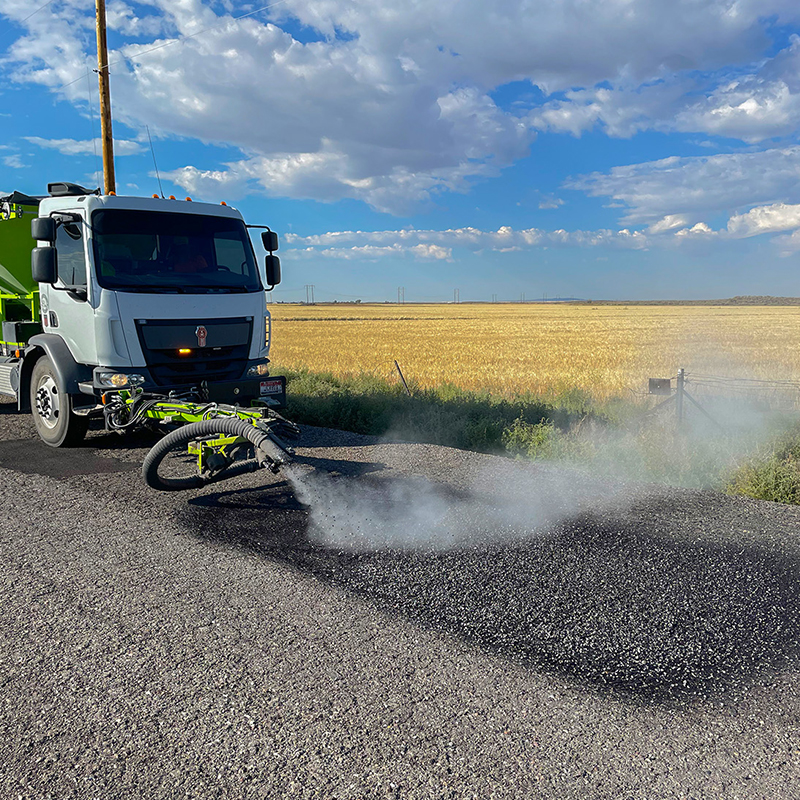
Asphalt likes heat, which helps mix stay workable, but the machines and the crew still feel the strain. Melters, patchers, and applicators run hot fluids and burners, so heat management and operator safety matter even more.
- Respect hot surfaces and material. Burner and material temperatures are extreme. Use proper gloves and procedures and keep guards in place.
- Manage hydraulics and engines the same way you would on a vacuum unit, with clean coolers and daily fluid checks.
- Schedule the heaviest pours and patches for the cooler hours when possible, both for the crew and for traffic safety.
- Keep machines clean so heat-stressed components are not also fighting buildup.
Protecting Your Crew: Heat Illness Rules
People overheat faster than machines, and the law takes it seriously. Heat illness can move from cramps to a medical emergency quickly, so prevention is the job.
California
Cal/OSHA has a heat illness prevention standard for outdoor work. It calls for access to fresh water, shade when temperatures reach the trigger, rest breaks, acclimatization for new or returning workers, and training. Crews in the Inland Empire and Central Valley work right in the heart of this.
Nevada and Arizona
Nevada has adopted a heat illness rule for many workplaces, and federal OSHA enforces heat hazards under the general duty clause in Arizona and nationwide. The practical playbook is the same everywhere: water, rest, shade, acclimatization, and watching crew members for early symptoms.
| Practice | What it looks like |
|---|---|
| Water | Cool, accessible, encourage frequent small drinks |
| Shade and rest | Shade available, scheduled and as-needed breaks |
| Acclimatization | Ease in new and returning workers over several days |
| Buddy checks | Watch for dizziness, confusion, cramps, nausea |
| Schedule | Heavy work in cooler morning hours |
Heat rules and trigger temperatures change. Confirm the current Cal/OSHA, Nevada OSHA, and federal OSHA requirements for your site before relying on this summary.
Plan the Day Around the Heat
The simplest win is scheduling. Start early so the hardest digging and the longest exposure happen before the worst of the afternoon. Stage water refills and dump trips to avoid idling in the sun. Build in cooldown time for both equipment and people. A crew that paces the day beats a crew that pushes through and breaks down.
Decision Framework: Summer Readiness
- If your site runs above 100 degrees regularly, shorten cooling-system cleaning intervals and check fluids daily.
- If you work desert dust in Phoenix or Las Vegas, prioritize air filter and radiator care.
- If you have new or returning crew, acclimatize them over several days before full exposure.
- If afternoons are brutal, move heavy digging and paving to the morning.
- If a machine shows heat warning signs, stop and let it cool rather than pushing to failure.
Frequently Asked Questions
At what temperature should I worry about equipment overheating?
There is no single number, because it depends on the machine and its condition. The risk rises sharply once ambient temperatures pass 100 degrees, since cooling systems have less margin. Watch gauges, keep coolers clean, and treat any temperature warning as a reason to stop and inspect.
How do I keep hydraulics from overheating in summer?
Keep oil coolers and radiators clean, check hydraulic fluid level and condition daily, and repair weeping seals early. Avoid sustained heavy loads during the hottest hours, and let a hot system cool before service. Clean cooling surfaces are the biggest single factor.
Does hot weather affect hydro excavation water?
Water in the tank warms in the sun, which is generally fine for cutting soil, but very hot water and lines call for careful handling. Keep the water pump and lines serviced so the system is not adding friction heat, and follow safe handling practices when temperatures are extreme.
What are the heat illness rules for outdoor crews?
California enforces a Cal/OSHA heat illness standard requiring water, shade, rest, acclimatization, and training. Nevada has adopted a heat rule, and federal OSHA covers Arizona under its general duty to protect workers from recognized hazards. In practice, provide water, shade, breaks, and training everywhere you work.
Should I change my maintenance schedule for summer?
Yes. In extreme heat and dust, shorten intervals for cleaning radiators and coolers, checking air filters, and inspecting fluids and tires. Daily checks that might be weekly in mild weather pay off in summer by catching small heat problems before they become breakdowns.
The Bottom Line
Running equipment in extreme heat in the Southwest comes down to cooling, fluids, scheduling, and crew care. Keep radiators and coolers clean, check hydraulics and air filters daily, watch your tires, and move the heaviest work to cooler hours. Follow your state’s heat illness rules so your people stay safe. Machines and crews that are prepared for 110 degree days keep digging and paving while unprepared ones sit broken in the heat.
Why Trust Haaker Underground Through the Hot Season
For more than four decades, Haaker Underground has kept contractors and municipalities running across the hottest parts of California, Nevada, and Arizona. We sell, rent, and service the full TRUVAC vacuum lineup plus Cimline, Falcon, and Thermo-Lay asphalt equipment, with techs who know what Southwest summers do to machines.
Browse our vacuum excavators and asphalt repair equipment, or reach the branch nearest you for service and support: La Verne HQ (909) 598-2706, Inland Empire / Colton (909) 370-2100, Northern CA / Hayward (510) 514-0043, San Diego / Santee (619) 569-1946, Central Valley / Tulare (559) 220-8897, Las Vegas (702) 639-0156, and Phoenix (602) 266-8214. Need summer service or a demo? Contact us.