
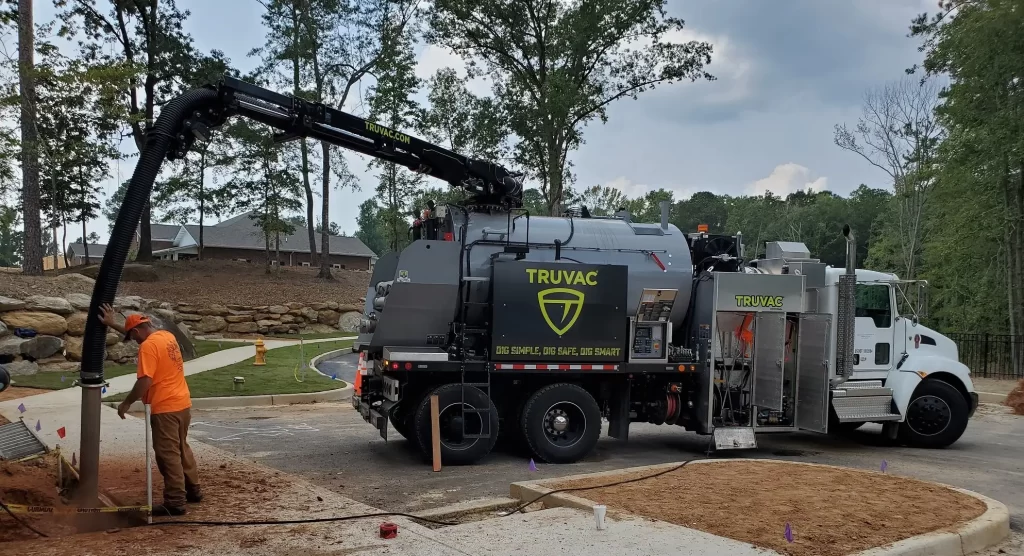
Every hydro excavation job ends the same way: you have a tank full of wet slurry and a legal duty to get rid of it correctly. Handle hydro excavation slurry disposal the wrong way, by dumping into a storm drain, an open lot, or the wrong landfill, and you risk fines, cleanup orders, and damage to your reputation. The rules differ across California, Nevada, and Arizona, and the line between clean fill and regulated waste depends on what you dug through. This guide explains how slurry is classified, how to dewater and dispose of it, and what each state expects, so crews across the Southwest stay compliant.
Hydro excavation slurry is the wet soil and water mix left in your debris tank. It cannot go into storm drains or untested fill. You must characterize it, dewater it, and dispose of the solids and liquid at approved facilities, with stricter handling if the dig area is contaminated.
What Slurry and Spoil Actually Are
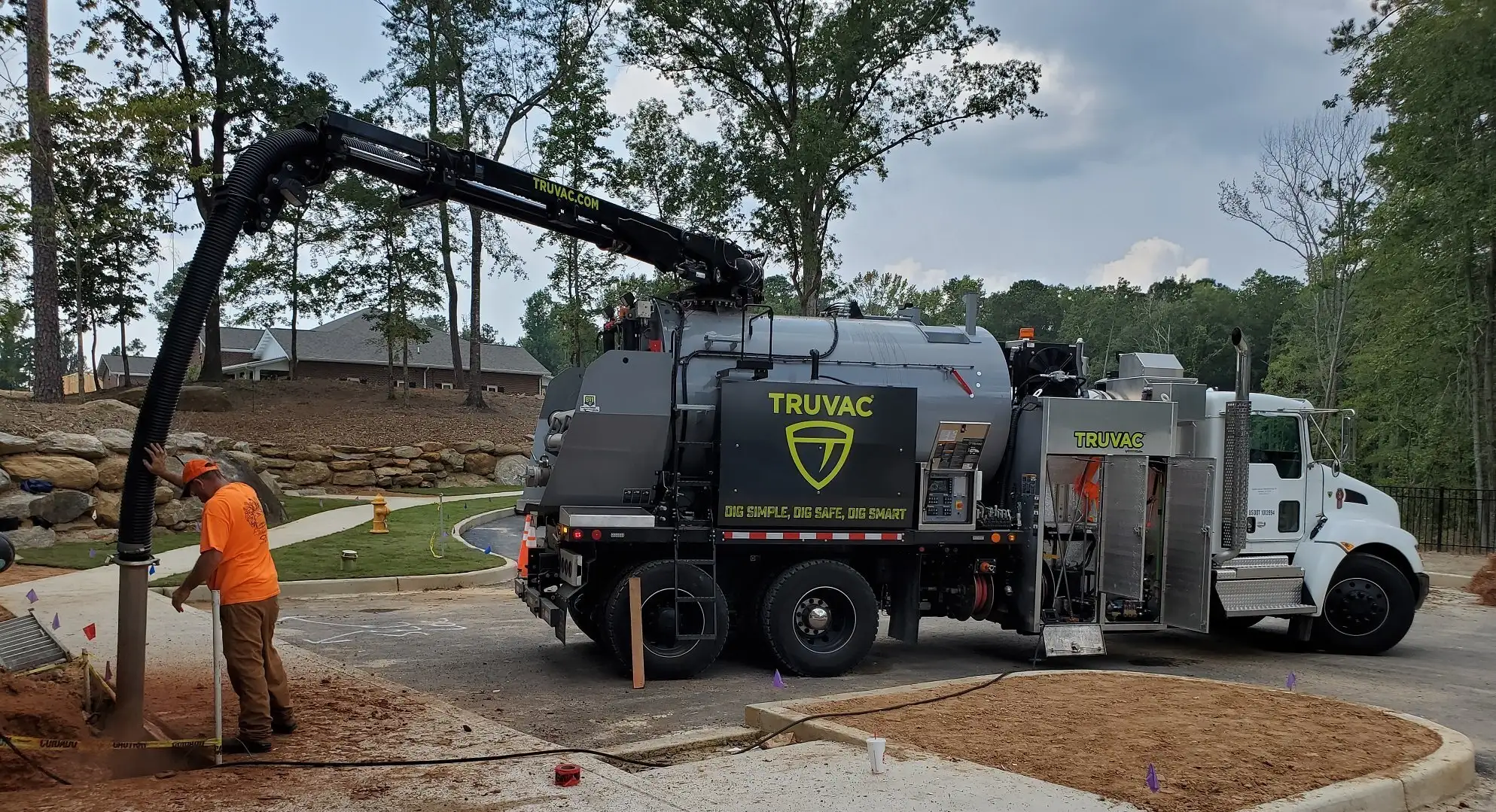
Hydro excavation cuts soil with pressurized water and vacuums the mix into a debris body. The result is slurry, a soup of water, soil, and fines. As it settles, it separates into a liquid (decant water) on top and a thicker solid (spoil) below. Both have to be managed.
The key question for disposal is simple: is the material clean or contaminated? Soil from a routine potholing job in a clean right-of-way is very different from spoil pulled near a fuel station, an old industrial site, or a sewer. The history of the dig location drives almost everything that follows.
Why Slurry Is Regulated
Wet slurry can carry sediment, hydrocarbons, metals, and other contaminants. If it reaches a storm drain, it flows untreated into creeks, rivers, and the ocean. That is why discharging slurry to storm systems is broadly prohibited, and why solids must go to facilities permitted to accept them. The federal Clean Water Act, state water-quality laws, and local stormwater programs all apply.
Liquid waste is regulated separately from solid waste. You usually cannot pour decant water on the ground or down a drain, and you often cannot landfill free liquids either. Many crews dewater first, then route the water and the solids to the right destinations.
How Disposal Works, Step by Step
1. Characterize the material
Know your dig site history. If there is any chance of contamination, test the spoil before disposal. Many disposal facilities require a waste profile or lab analysis before they accept a load.
2. Dewater the slurry
Separating liquid from solids shrinks your disposal volume and meets the no-free-liquids rule at many landfills. Common methods include settling and decanting, drying beds, geotextile bags, and dedicated dewatering stations. Some operations recycle decant water back into the dig.
3. Dispose at approved sites
Clean solids may go to a landfill that accepts non-hazardous soil or to a soil reuse facility. Contaminated material must go to a permitted facility matched to the contaminant. Liquid goes to an approved wastewater or liquid-waste facility, not a storm drain.
4. Keep records
Hold your manifests, weigh tickets, and any lab results. Documentation proves you disposed correctly if an agency asks.
State by State: What to Know
California
California regulates water quality under the Porter-Cologne Act through the State and Regional Water Quality Control Boards, and hazardous waste under Title 22. Stormwater discharges are tightly controlled, and most municipalities run an MS4 stormwater program that prohibits slurry in storm drains. Soil that tests as hazardous must go to a permitted facility. Crews in Los Angeles, the Inland Empire, San Diego, the Bay Area, and the Central Valley should confirm local landfill acceptance criteria and any regional board requirements.
Nevada
The Nevada Division of Environmental Protection (NDEP) oversees water and waste programs. Discharges to waters of the state and to storm systems are regulated, and solid and hazardous waste disposal must use approved facilities. Around Las Vegas, confirm acceptance criteria with local landfills and any county stormwater rules.
Arizona
The Arizona Department of Environmental Quality (ADEQ) administers water-quality and waste rules. Discharges that could reach waters or storm systems are controlled, and spoil must be characterized and disposed of at facilities permitted for the material. In Greater Phoenix, check local landfill and municipal stormwater requirements before hauling.
| State | Lead agencies | Always avoid |
|---|---|---|
| California | State and Regional Water Boards, DTSC | Storm drains, untested fill, hazardous soil to a regular landfill |
| Nevada | NDEP, county stormwater | Discharges to state waters and storm systems |
| Arizona | ADEQ, municipal stormwater | Uncharacterized dumping, storm-drain discharge |
This is a general overview, not legal advice. Thresholds, permits, and facility acceptance criteria change. Verify the current rules with the relevant agency and your disposal facility for each job.
Practical Tips to Cut Disposal Cost and Risk
- Dewater on site when allowed, so you haul less weight and avoid free-liquid rejections.
- Keep clean and dirty spoil separate, because mixing clean soil with contaminated material turns the whole load into regulated waste.
- Line up your disposal site before the job, not after the tank is full.
- Pre-profile recurring job types so testing and paperwork are ready.
- Train operators to recognize signs of contamination, like fuel odor or staining, and to stop and test.

How Equipment Choices Affect Disposal
The truck you run changes your disposal workflow. A larger debris body means fewer trips but heavier loads, so payload limits and dewatering matter more. Units that offload cleanly and tilt fully empty faster and leave less residue. When you spec a vacuum excavator, think past the dig to how you will dewater and offload, because that is where disposal time and cost add up. Haaker Underground can help match a TRUVAC or Ring-O-Matic unit to both your digging and your disposal plan.
Decision Framework: Handling Your Slurry
- If your dig site has any contamination history, test before you haul and treat the load as regulated until proven clean.
- If you are working a clean right-of-way, dewater and dispose of clean soil at an approved non-hazardous site.
- If you have free liquid in the tank, dewater first and route the water to an approved liquid-waste facility.
- If you dig the same job types often, set up pre-approved waste profiles and disposal accounts.
- If you are unsure of the rules, call the state agency and your disposal facility before the job, not after.
Frequently Asked Questions
Can I dump hydro excavation slurry into a storm drain?
No. Discharging slurry to a storm drain is prohibited in California, Nevada, and Arizona, because storm systems flow untreated to natural waters. Slurry must be dewatered and disposed of at approved facilities. Storm-drain dumping can trigger significant fines and cleanup orders under state and federal water laws.
Is hydro excavation spoil considered hazardous waste?
Not automatically. Clean soil from a routine dig is usually non-hazardous. Spoil becomes regulated or hazardous when it contains contaminants such as hydrocarbons or metals, which depends on the dig location. Testing determines the classification, and that classification sets where the material can legally go.
What is dewatering and why does it matter?
Dewatering separates the liquid from the solids in your slurry. It matters because many landfills reject loads with free liquids, and because removing water shrinks your disposal volume and cost. Common methods include settling and decanting, drying beds, and geotextile bags.
Do I need to test every load of spoil?
Not every load, but you must characterize material based on the dig site. Clean, known right-of-way soil may not need a full test each time, while any site with contamination potential should be tested. Many disposal facilities require a waste profile or lab analysis before acceptance.
Where can I legally dispose of slurry in the Southwest?
Approved destinations include permitted landfills that accept non-hazardous soil, dewatering and soil-recycling facilities, and licensed liquid-waste facilities for decant water. The right site depends on your material and county. Confirm acceptance criteria with the facility and the state agency before hauling.
The Bottom Line
Hydro excavation slurry disposal is a compliance task, not an afterthought. Characterize the material based on where you dug, dewater to cut volume and meet landfill rules, and send solids and liquids to facilities permitted to accept them. Never discharge to a storm drain. Keep your records, line up disposal before the job, and the back end of every dig stays as clean as the front.
Why Partner With Haaker Underground for Vacuum Excavation
For more than four decades, Haaker Underground has supported contractors and municipalities across California, Nevada, and Arizona with vacuum excavation equipment built to dig safe and offload clean. Our team helps you match a TRUVAC or Ring-O-Matic unit to your soil, your access, and your disposal plan.
Explore our TRUVAC vacuum excavators, or reach the branch nearest you: La Verne HQ (909) 598-2706, Inland Empire / Colton (909) 370-2100, Northern CA / Hayward (510) 514-0043, San Diego / Santee (619) 569-1946, Central Valley / Tulare (559) 220-8897, Las Vegas (702) 639-0156, and Phoenix (602) 266-8214. Questions about the right unit for your jobs? Contact us to schedule a free demo.