
The Problem: Traditional Digging Risks Infrastructure and Budgets
Contractors, municipalities, and utility companies have long depended on mechanical excavation—backhoes, trenchers, and shovels—to get the job done. But these outdated methods bring major downsides:
- High risk of utility strikes
- Excessive surface damage requiring costly restoration
- Slower excavation times with more manual labor
- Increased liability and workplace injury potential
In a world of aging infrastructure and tight project deadlines, traditional digging often creates more problems than it solves.
The Solution: Why Hydro Excavation Is a Smarter Choice
Hydro excavation is a non-destructive method that uses pressurized water and vacuum technology to safely remove soil. It’s cleaner, more precise, and significantly reduces risk compared to mechanical digging.
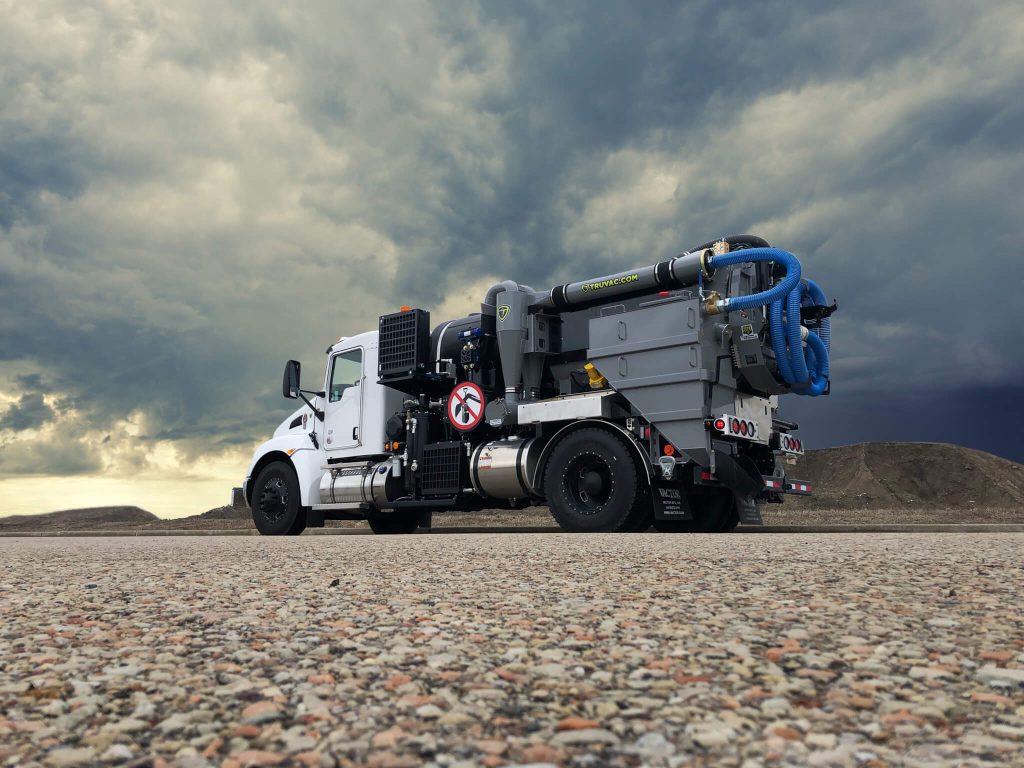
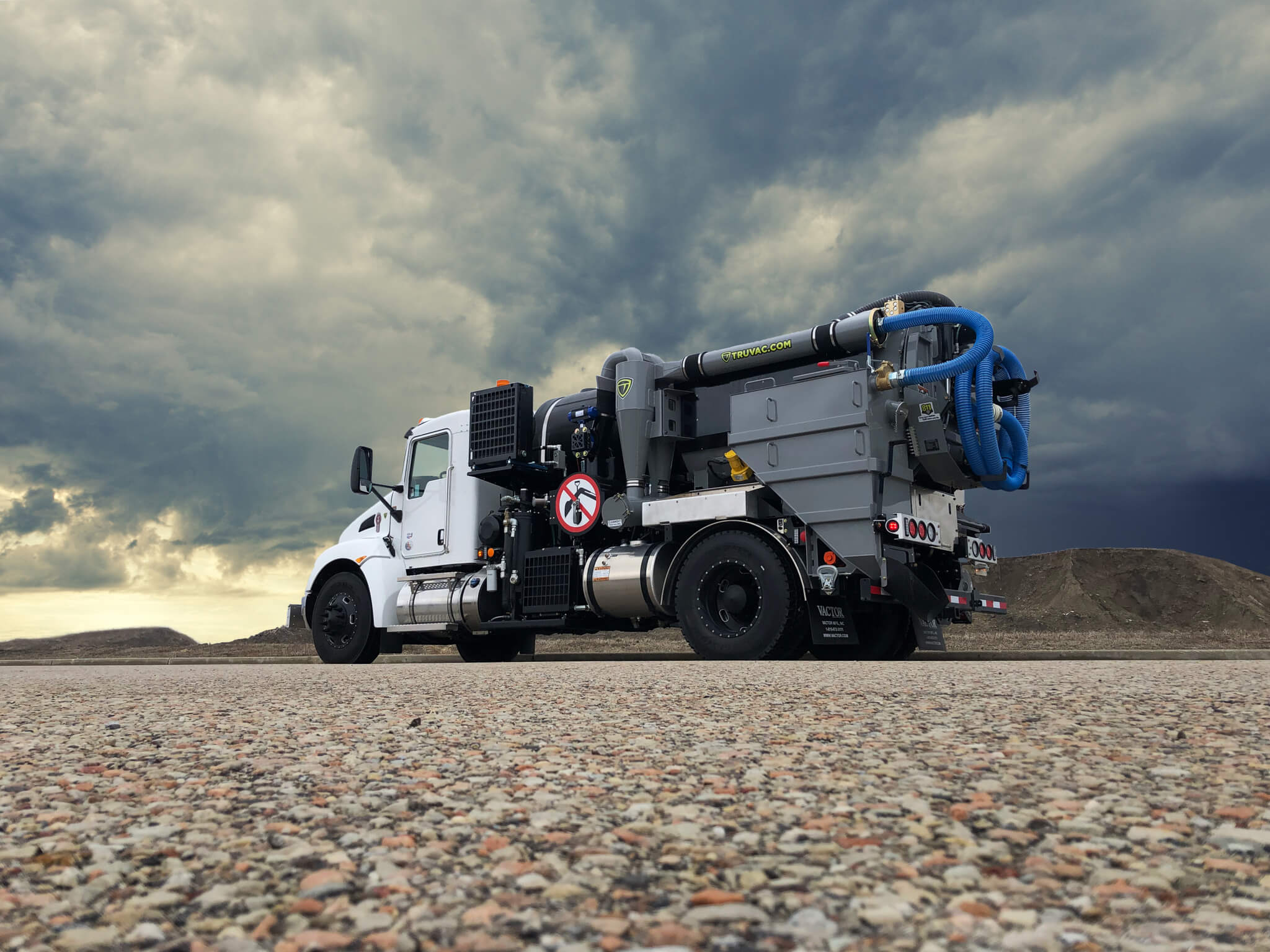
Haaker Underground deploys state-of-the-art TRUVAC hydro excavation trucks throughout California, Arizona, and Nevada—helping contractors finish faster and safer with less damage to the job site.
Comparing the Methods
| Feature | Traditional Digging | Hydro Excavation |
|---|---|---|
| Utility Damage Risk | High | Very Low |
| Surface Disruption | High | Minimal |
| Equipment Required | Backhoes, trenchers | TRUVAC hydrovac trucks |
| Crew Size | Larger | Smaller |
| Environmental Impact | High | Low |
| Cold Weather Performance | Limited | Year-round (with heat) |
| Safety for Workers | Moderate to Low | High |
| Digging Precision | Low | High |
| Cleanup & Restoration Cost | High | Low |
Why It Matters
Hydro excavation offers a major advantage when working around:
- Fiber optic lines
- Gas and water mains
- Electrical conduits
- Landscaped or paved surfaces
- Urban and remote environments
Unlike backhoes or shovels, hydro excavation is non-invasive. It reduces downtime, restoration costs, and liability. For public works projects and utility repairs, precision digging isn’t optional—it’s essential.
Industries That Benefit Most
- Utility contractors and locators
- Municipal public works departments
- Telecommunications companies
- Construction and civil engineering firms
- Environmental and site remediation teams
Whether you’re trenching a busy intersection or daylighting for a fiber line, hydro excavation gives your team a safer and more efficient path forward.
Why Choose Haaker Underground
Haaker Underground combines decades of experience with the best hydro excavation equipment on the market. Our TRUVAC trucks are purpose-built for precision, with features like:
- Heated water systems for winter use
- Remote-controlled boom arms
- High-powered vacuum extraction
- Real-time system monitoring
Our team supports both operated and rental service options, plus equipment sales and training for long-term success. We help you dig smart—every time.
Frequently Asked Questions (FAQ)
What’s the main difference between hydro excavation and traditional digging? Hydro excavation uses water and vacuum rather than mechanical force. It’s safer and more precise.
Is hydro excavation more expensive? Upfront costs can be higher, but it often reduces total project costs by minimizing utility damage, cleanup, and delays.
Can hydro excavation be used in bad weather? Yes. Haaker’s TRUVAC trucks use heated water, allowing for year-round use—even in frozen soil.
Is it suitable for large-scale infrastructure work? Absolutely. Hydro excavation scales well for big jobs and is ideal in utility-dense areas.
Do I need special training to operate hydro excavation equipment? Yes—but Haaker Underground provides both training and operated service if needed.
Downloadable Resource
📥 Free Download: Hydro Excavation vs Traditional Digging Comparison Sheet Make the case for safer, smarter excavation with our printable comparison guide—perfect for project proposals or client education.